
Rural Insights for Philanthropy
Rural Insights for Philanthropy
Rural communities are rich with leadership, resilience, and innovation, though these stories are not always amplified in philanthropic spaces.
In this new blog series, our Senior Director of Special Initiatives Katie Brisson will share her insights and stories from the Foundation’s work across the many rural communities that make up our two geographies and reflect on the lessons they hold for the broader philanthropic field. Each post will feature insights shaped by local leaders and grounded in their lived experience.
By: Katie Brisson, Senior Director of Special Initiatives
March 10, 2026
“You get used to being overlooked. It’s nice to know you (RCWJRF) are paying attention to rural.”
– Bruce Campbell, Executive Director, Allegany County Area Foundation
Rural leadership is essential to the future of our regions, and philanthropy must evolve to support it. As the Ralph C. Wilson, Jr. Foundation passes its halfway mark as a 20-year limited life foundation, our team is not only celebrating the work to date but also thinking about areas where we can do more. Our rural communities are one of those focal points. With a mission to serve 16 counties across the two regions of Southeast Michigan and Western New York, it requires lots of listening and understanding. Important perspectives from our rural communities and smaller cities can easily be missed. Sometimes, wrong assumptions are made.
Some quick facts compiled by our colleagues at the Center for Rural Innovation:
- Nearly 15% of the U.S. population lives in rural areas
- More than 10 million rural Americans are people of color
- Geographic income inequality has risen more than 40% between 1980 and 2021
- Close to 80% of counties with long-term, persistent poverty are rural
- Just 3% of philanthropic funding goes to rural areas
- Less than 2% of venture capital is invested in rural business
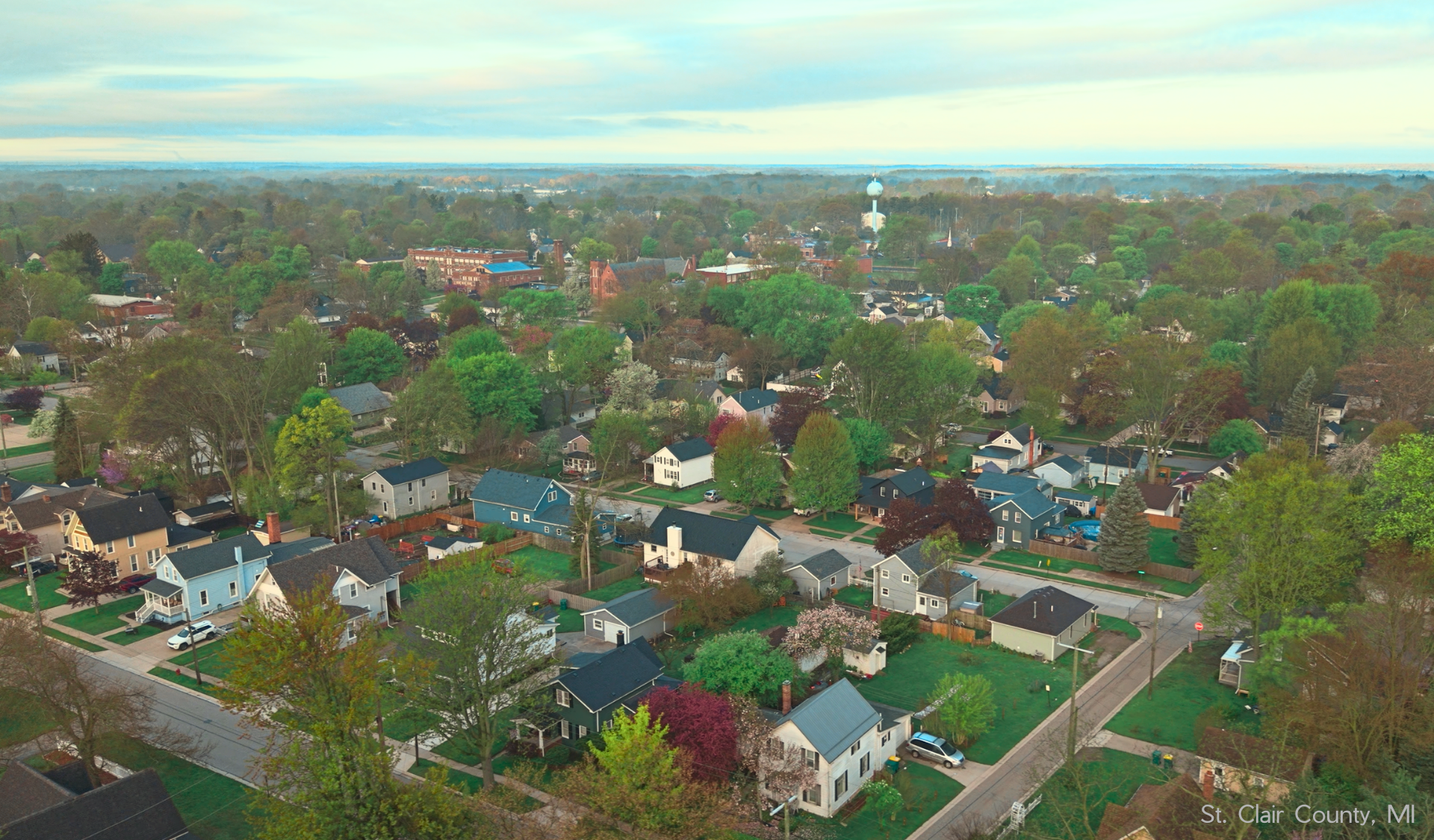
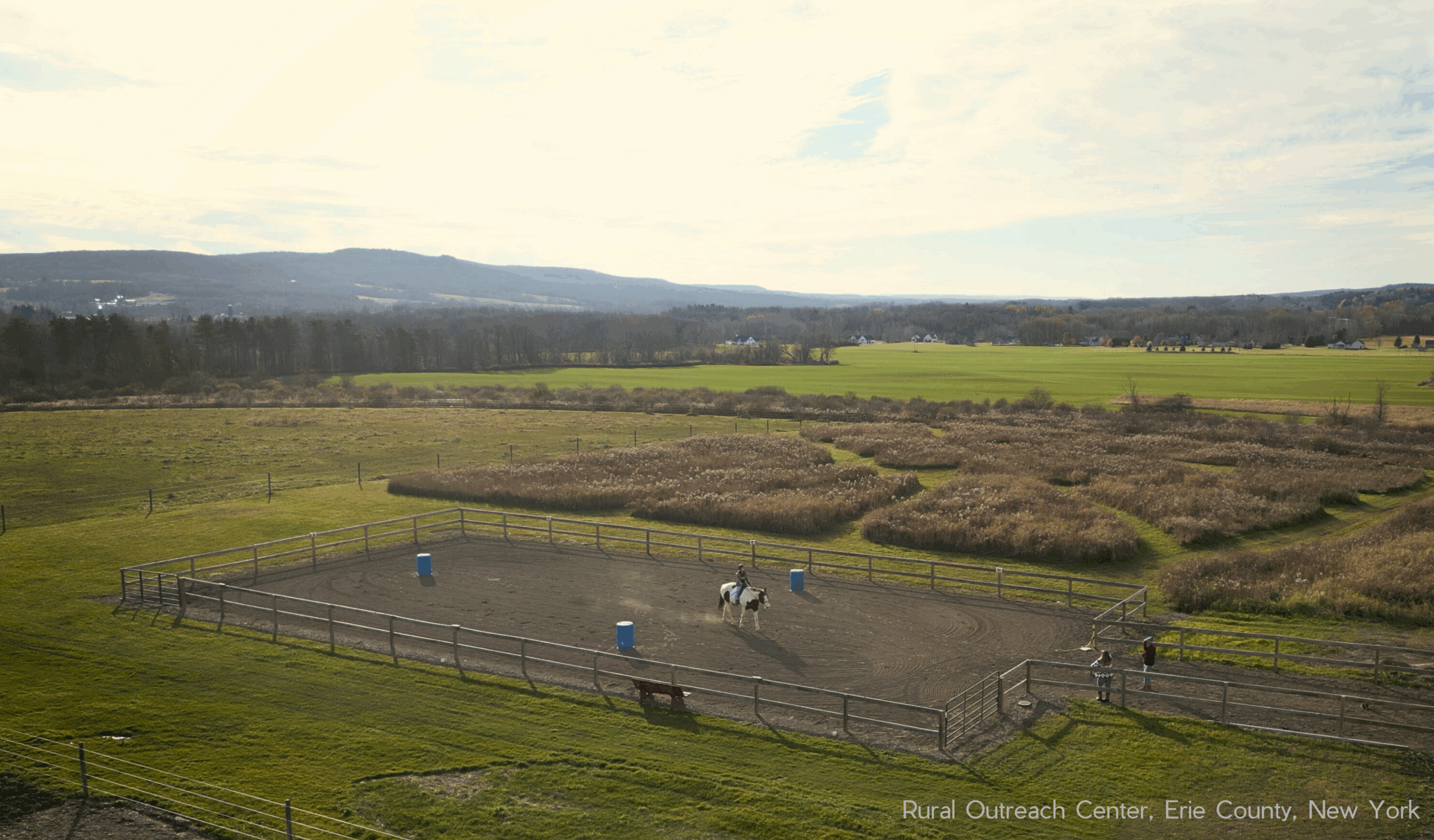
I am kicking off this blog series to lift some of our rural leaders and the highly innovative approaches to problem solving we have seen them employ. Many of the issues faced by our rural partners are the same as our urban and suburban partners. But the way in which they manifest, and the approach to solving them, are different.
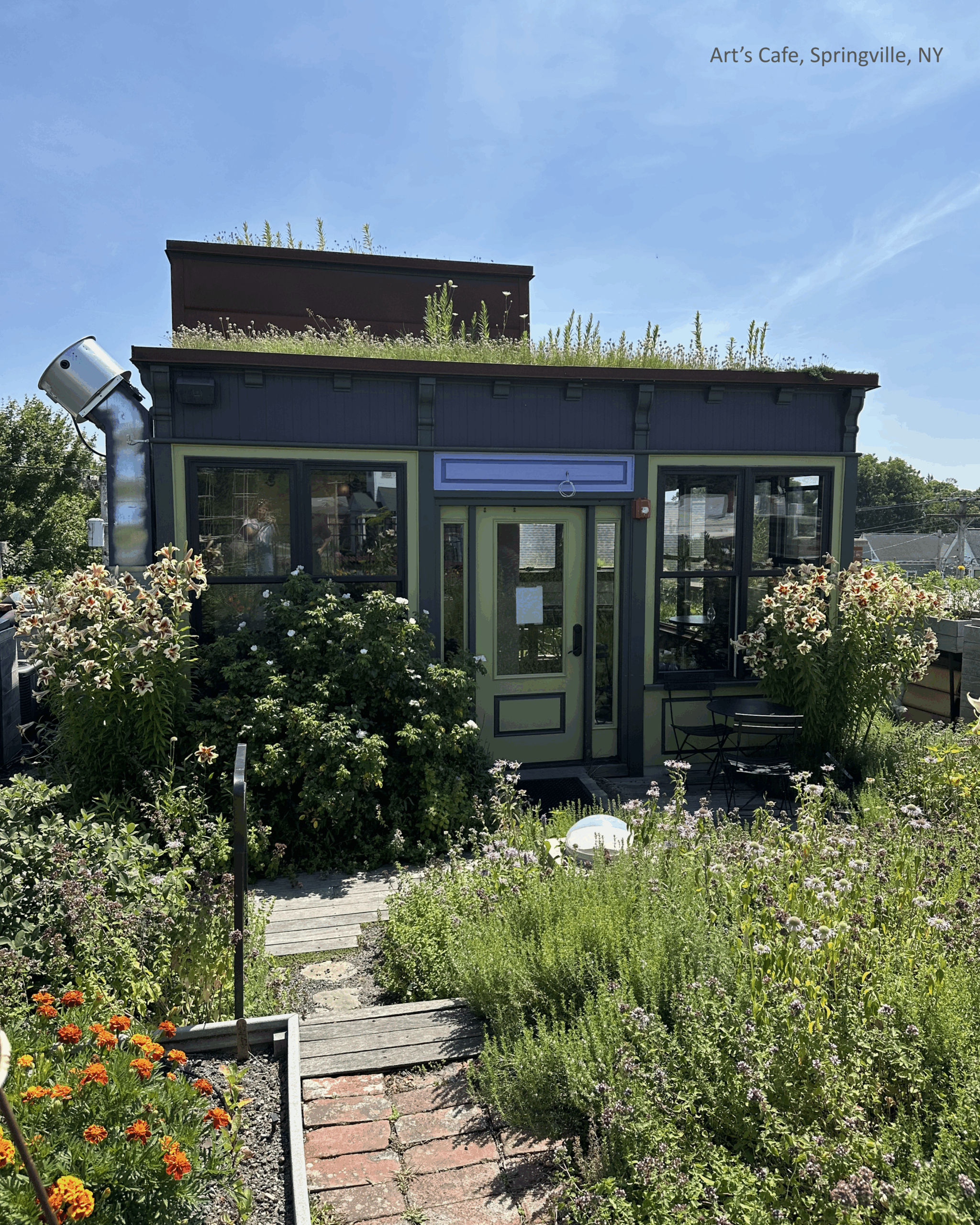
So too, as a philanthropic organization, we need to challenge ourselves to work differently to meet the needs of rural communities. The way in which grants are made is different. Rural civic activity doesn’t always happen in traditional nonprofit organizations – it can happen in farmers markets, fire houses, Lions Clubs, libraries, and county fairgrounds. As a grantmaker, you need to expect – and embrace – the unexpected.
Focus on Leadership
We know to do better, we need to be intentional in providing capacity support to our key local partners and support the pipeline of future leaders. To that end, we were pleased this month to announce the launch of the Ralph C. Wilson, Jr. Foundation’s Rural Philanthropy Fellows Program.
Through the Foundation’s support, 12 rural fellows have been hired by our community foundation partners across two regions of Southeast Michigan and Western New York. This model also inspired another philanthropic partner, the Herrick Foundation, to join by supporting three rural fellows in additional Michigan communities that they serve.
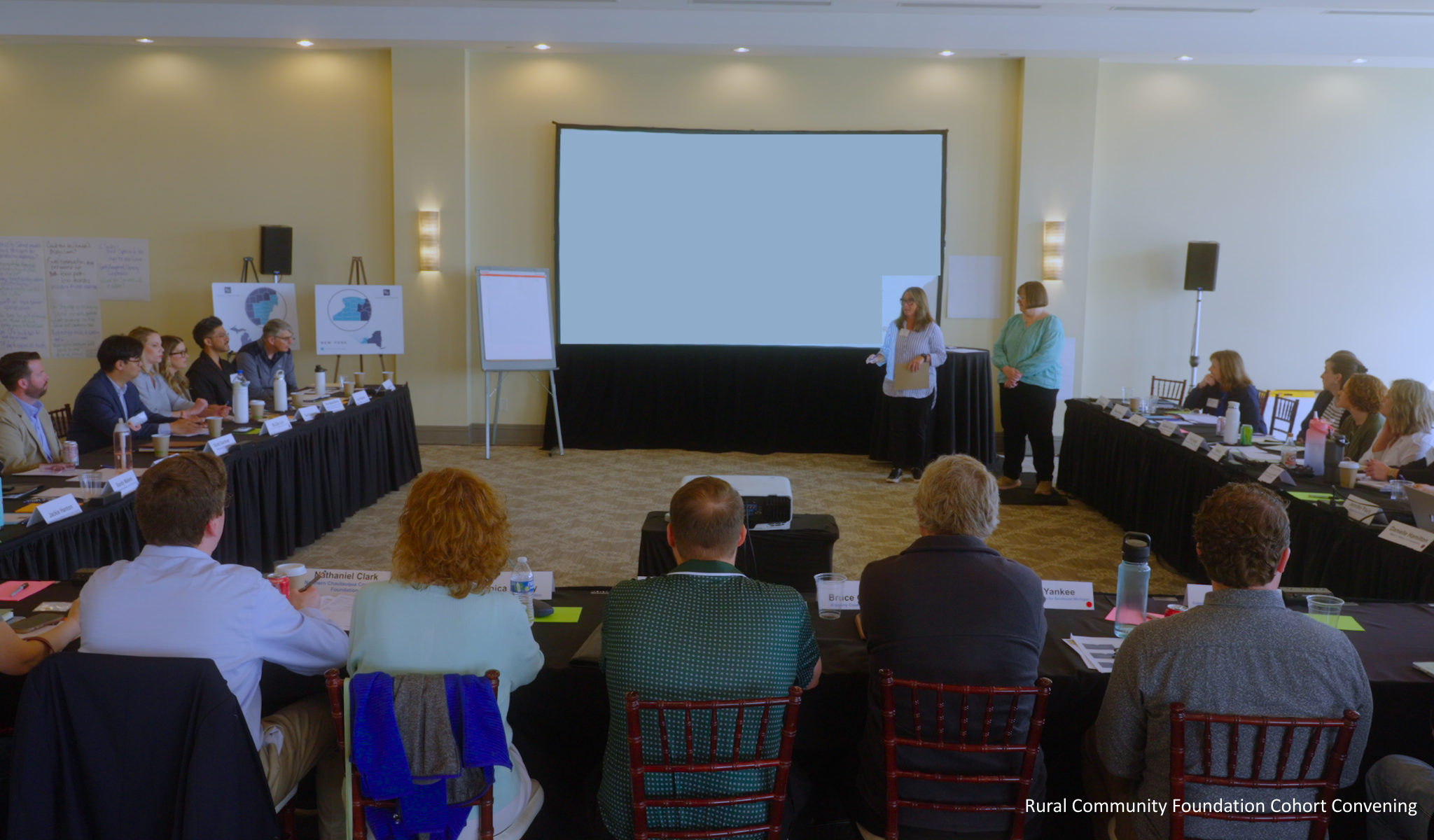
As we continue to build relationships across the regions we serve, it’s a moment for our team and board here at the Ralph C. Wilson, Jr. Foundation to celebrate these leaders and their work!
We look forward to sharing our stories from many other rural partners in the months ahead.
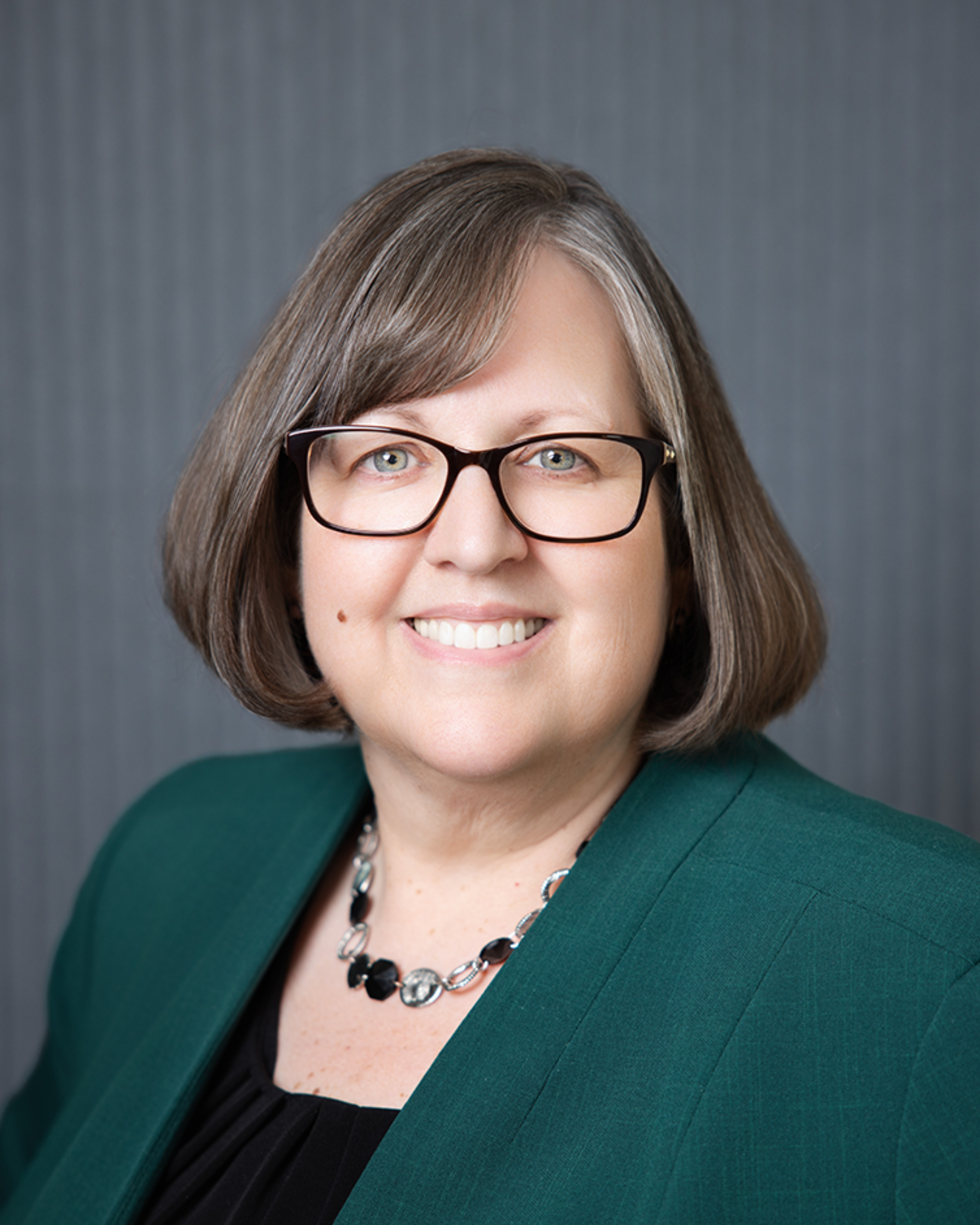
Katie Brisson serves as Senior Director of Special Initiatives at the Ralph C. Wilson, Jr. Foundation. In this role, she contributes to the strategic insight and leadership to the foundation’s grantmaking initiatives while advancing special projects that strengthen impact across portfolios.
Katie brings more than two decades of experience in philanthropy, having spent 24 years at the Community Foundation for Southeast Michigan, including 11 years as Vice President of Program. During her tenure, she led efforts to shape grantmaking strategy during a period of significant growth and played a key role in launching collaborative initiatives such as the Detroit Journalism Engagement Fund, the Michigan Opioid Partnership, and Project Play: Southeast Michigan.
From Sidelines to Center Court: Empowering Women Coaches and Girls in Youth Sports
Western New York Outdoor Recreation and Cultural Tourism Study
This study, written by the SE Group and supported by a Ralph C. Wilson, Jr. Foundation grant to the Natural Heritage Trust, explores the state of outdoor recreation and cultural tourism in Western New York (WNY). Developed in partnership with the Ralph C. Wilson, Jr. Foundation, New York State Parks, and Empire State Development, the study outlines the region’s major tourism assets. With this, SE Group puts forward regional branding ideas, opportunities to support and grow WNY’s tourism assets and benefits, and case studies of other regions to understand strategies that WNY’s tourism sector can learn from.
Download Report Read the full article at »Belle Isle Park Multimodal Mobility Study
The Michigan Department of Natural Resources (DNR), in partnership with the Michigan Department of Transportation and the Belle Isle Conservancy, produced this study of the transportation network at Belle Isle. The DNR grounds this report in an assessment of current transportation conditions on the island. Through data collection and analysis of attendance and parking capacity, along with public and stakeholder engagement, the DNR identifies visitor driving and access challenges and presents recommendations and phased improvements informed by community input. These recommendations aim to create a more inclusive and efficient transportation network for all modes and abilities on and around Belle Isle.
Read the full article at »Leveling the Playing Field: Helping Kids Stay in the Game
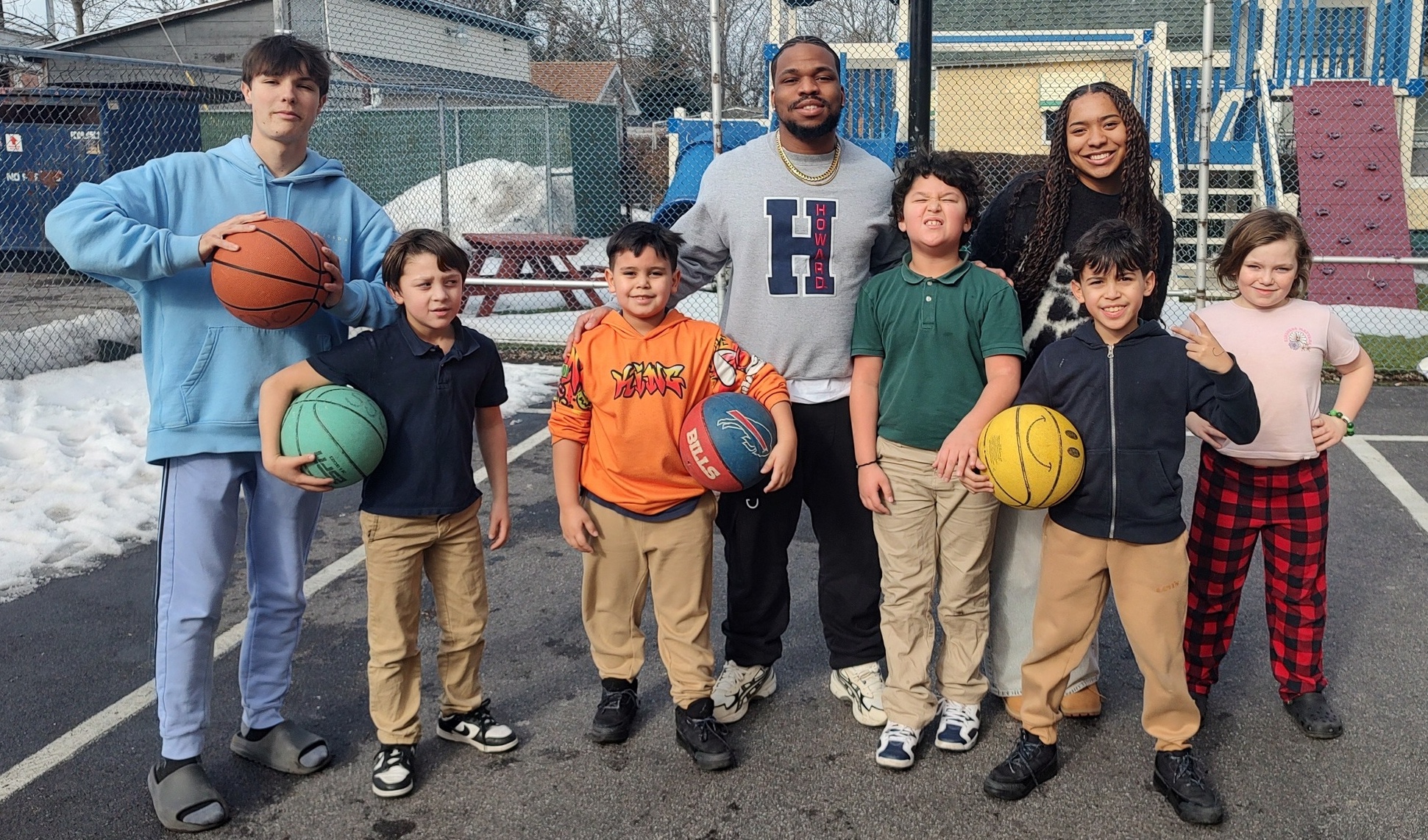
Leveling the Playing Field: Helping Kids Stay in the Game
Project Play, an initiative of the Aspen Institute’s Sports and Society Program, found in a recent survey that the average U.S. family spent $1,016 on their child’s primary sport in 2024—an astounding 46 percent increase from figures published in 2019.
That’s twice the rate of inflation during the same period and reflects ballooning costs that are driving the $40 billion youth athletics industry. What was once a cherished part of growing up has become big business—and a luxury many families can’t afford.
This transformation in recreation has also led to a growing income disparity. Recent reports show that only 38 percent of kids from families earning $25,000 or less play team sports, compared to 67 percent of kids from households making $100,000 or more.
This lack of equal opportunity strikes at a key element of childhood, where children play sports for fun and, in the process, benefit from socialization among teammates, gain exposure to teamwork skills, and develop healthy lifelong habits. The barriers now hampering participation aren’t just about sports; they’re limiting access to overall development and lifelong advantages.
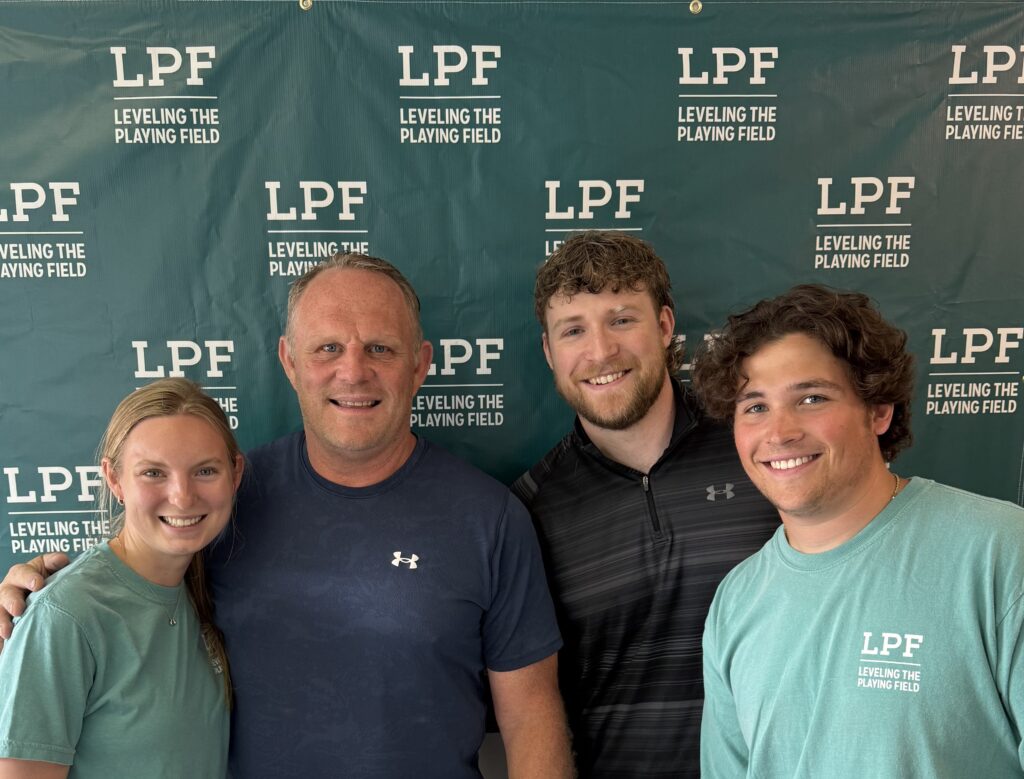
Leveling the Playing Field (LPF) is working to change this.
Launched in Silver Spring, Maryland in 2013, the youth sports-focused initiative was created to answer the widening gap between those who can afford to play sports and those who cannot. Equipment costs play a huge role in this divide. Led by founder Max Levitt, LPF asked a question: What if there were a food-bank-style model for sports equipment?
Once its first Greater Washington D.C. area warehouse was stocked and opened, LPF was born. Successful locations in Baltimore (2018) and Philadelphia (2021) followed, and so did an overall realization: the equipment donation and distribution model could be replicated in any community with the along with a key realization: this donation-and-distribution model could work anywhere with youth sports needs, interest, and infrastructure.
“We believe that anywhere there’s a food bank, LPF can be successful and impactful,” said Kaitlin Brennan, COO of Leveling the Playing Field. “So it’s less about which communities LPF will work in, and more about which communities are we able to really come in and plug into the youth sports ecosystem.”
With support from the Ralph C. Wilson, Jr. Foundation, LPF identified two such communities: Western New York and Southeast Michigan.
Meeting need in new communities
Since its initial launch, Leveling the Playing Field has worked to collect and distribute more than $20 million in sports apparel and equipment to over 100,000 children throughout Southeast Michigan, Western New York, Atlanta, Baltimore, Greater Washington, Ohio, and Philadelphia.
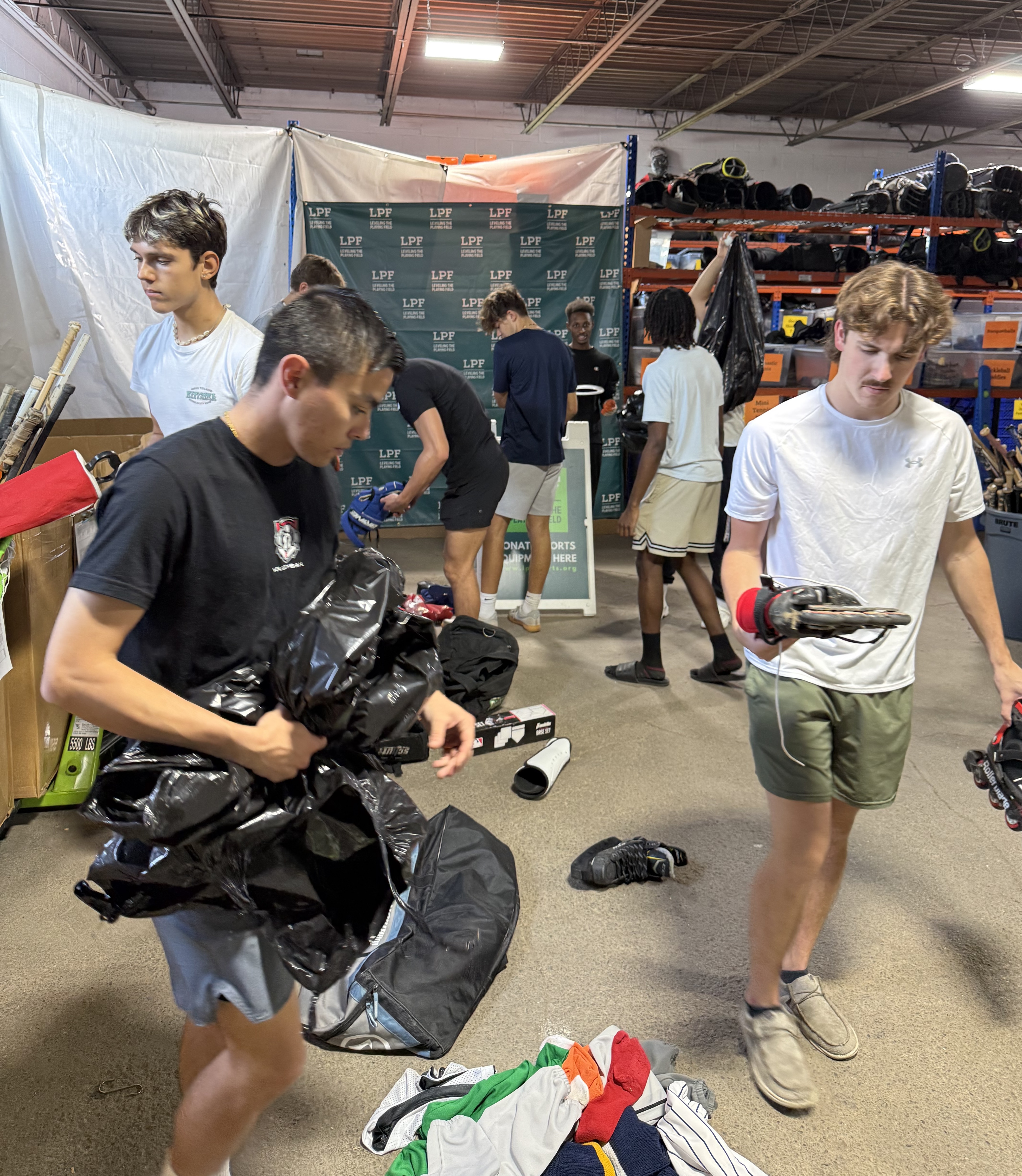
By providing direct assistance to afterschool and summer programs, youth sports leagues, schools, and neighborhood nonprofits, LPF’s 5,500 volunteers have helped families overcome financial barriers that keep kids from participating. This was an issue the Foundation identified throughout its work across Western New York and Southeast Michigan, and addressing it is central to the Foundation’s strategy to ensure more kids are active through youth sports and recreation, regardless of zip code or ability to afford it.
In LPF, Foundation leaders found a partner that can implement its strategic, youth-centered approach to getting and keeping more kids on the court, field, ice, or wherever they love to play.
“We know that we can come into a community, jump into that ecosystem, and hopefully amplify the work that is already being done to expand access and opportunity for kids to play sports,” said Brennan. “The genesis of our entry into Western New York and then Southeast Michigan was through the [Ralph C. Wilson, Jr.] Foundation. They’ve been a real champion of youth sports, not just in terms of research and making connections, but in terms of holistic investment. Through their work, we were able to connect with and really share our vision, our mission, and how we can operate within these communities.”
Connecting locally
After arriving in Western New York in 2023 and Southeast Michigan in 2024, the next step was building the infrastructure needed for collection, distribution, and a lasting regional footprint.
Project Play made that possible. As a Foundation-supported initiative investing in youth sports across both regions, it offered an immediate network for LPF to plug into. Having already built strong partnerships in D.C., Baltimore, and Philadelphia, LPF now needed similar local connections — and Project Play provided the entry point.
“When we knew we’d have the funding support to enter Western New York and then eventually Southeast Michigan, [Project Play] was our first stop,” she said. “[They helped us understand] what was unique and distinctive about [each region], about their challenges and opportunities, and their assets. To be able to have an insider who was not only already in that space of convening, connecting and improving youth sports, but was so generous and open with their findings, their learnings, and their locality, it just made things so much more efficient.”
From community building and stakeholder introductions to volunteer mobilization and connections with local sports teams, Project Play has been instrumental in establishing LPF’s presence. By leveraging relationships with professional teams—from the Buffalo Bills to the Detroit Pistons—these collaborations have elevated awareness and strengthened LPF’s regional brand.
According to Brennan, these partnerships are critical to connecting with those most in need, and each wouldn’t be possible without facilitation by the localized teams of Project Play.
“It’s kind of given us a cheat code on how to come in and really understand what things are working, where things can use some help, and how to be able to do that in a really rapid, open way. It’s been awesome.”
Supporting play every day
Now that its Southeast Michigan and Western New York locations are up and running, Leveling the Playing Field is already making a major impact in both communities—adding to the national momentum driving increased youth sports participation.
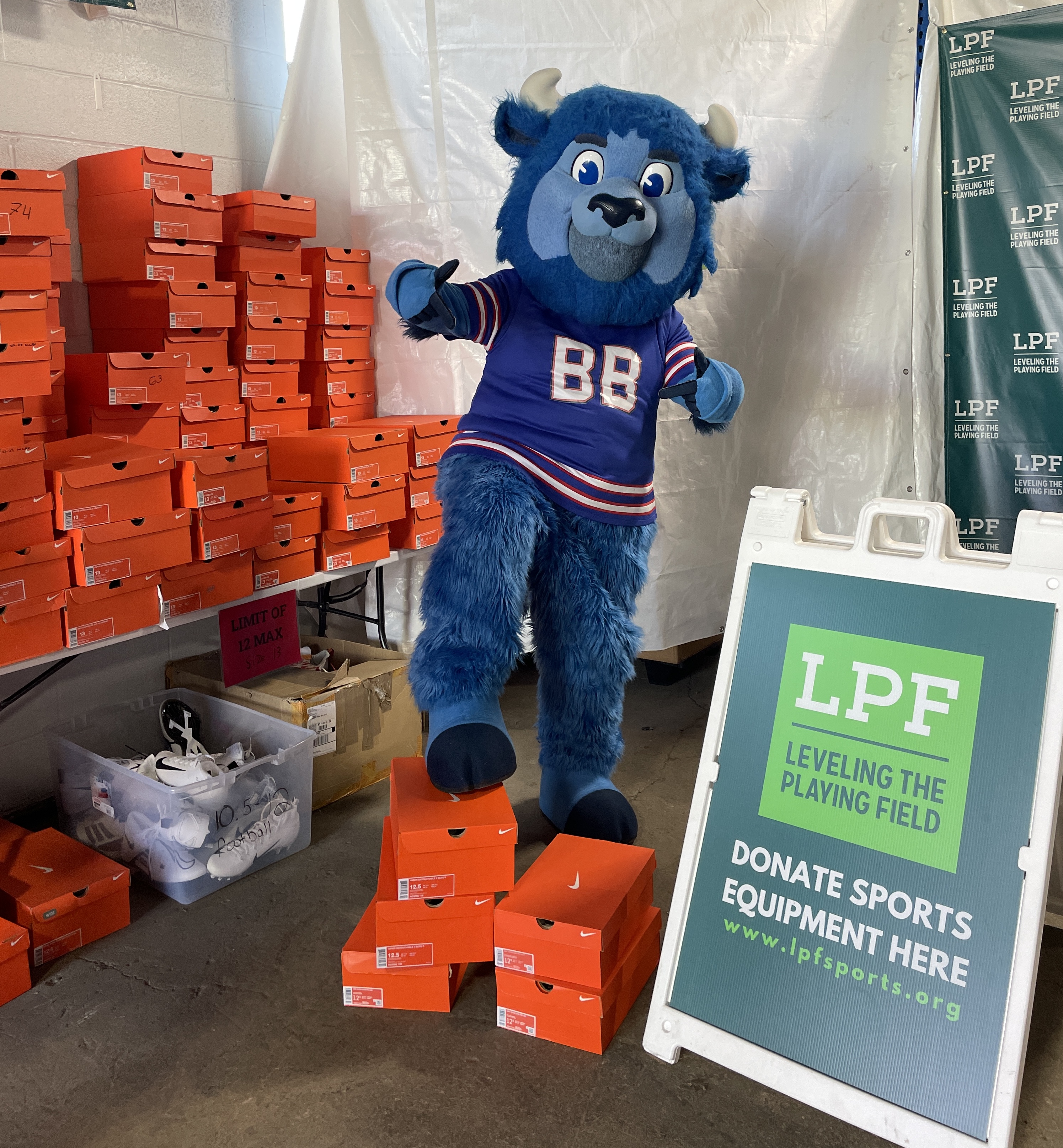
After a year of prep work across the region, LPF opened its Southeast Michigan warehouse on the east side of Detroit in early October 2025. Pro team–branded donation bins from the Detroit Pistons, Detroit Tigers, Detroit Red Wings, and Dick’s Sporting Goods support collection efforts across the city. Brennan noted that well-stocked shelves and ongoing replenishment ensure coaches who visit today, next week, or later this season will find the gear their teams need.
Keeping kids playing is the name of the game, and according to local Project Play leadership, LPF is making this a reality in an effective and accessible way.
“In Southeast Michigan, we had a [Foundation-sponsored] State of Play report that found only 13 percent of kids in the area were getting the recommended 60 minutes of play per day. I think most people would agree that this isn’t good enough,” said Pat Sharrow, director of Project Play in Southeast Michigan. “[With LPF], they’re equipping organizations, coaches, kids, and families with the resources to play—and helping to shift this narrative.”
In Western New York—where LPF has operated for over a year—the results speak for themselves.
In 2024, volunteer-led operations collected more than $500,000 worth of sports equipment to impact over 60 programs, including local schools, nonprofits, and popular hockey programs like Hasek’s Heroes. In each instance, obstacles that typically impeded participation were eliminated to provide access to those eager to play—and in the case of YMCA Buffalo Niagara, let kids be kids.
“Leveling the Playing Field has been a great resource for us, particularly at our city branches,” said Greg Larson, vice president of sports and outreach for YMCA Buffalo Niagara. “It has allowed us to diversify the sports we offer without the burden of purchasing equipment to outfit the children in our programs. During our summer camps, we were able to offer a different sport each week with the equipment we received, allowing kids to experience new sports, which is a goal of ours.”
And with every donation and distributed piece of equipment comes another chance at play. This remains the joint goal of the Ralph C. Wilson, Jr. Foundation and Leveling the Playing Field, but according to Brennan, success in Western New York or Southeast Michigan won’t be defined by specific instances of activity. It’ll be defined by the continual availability of resources for kids who want to play, practice, and progress—year after year.
“Success for Western New York and Southeast Michigan looks like sustained access to LPF for both of these youth sports communities,” she said. “When we enter a community, it’s really important that we’re not entering without a long-term plan. If folks need gear now, they’ve needed it for a long while, and they’re likely going to need it into the future to grow participation and really dream big. To remove that equipment burden is a big deal, so success for Leveling the Playing Field in Western New York and Southeast Michigan is pretty simple. It’s about establishing sustained growth and access to our equipment resources indefinitely.”
Want to get involved? Click here to sign up to volunteer, find a donation location, or learn more about Leveling the Playing Field. For more info on the Ralph C. Wilson, Jr. Foundation, click here.