
Rural Insights for Philanthropy
Rural Insights for Philanthropy
Rural communities are rich with leadership, resilience, and innovation, though these stories are not always amplified in philanthropic spaces.
In this new blog series, our Senior Director of Special Initiatives Katie Brisson will share her insights and stories from the Foundation’s work across the many rural communities that make up our two geographies and reflect on the lessons they hold for the broader philanthropic field. Each post will feature insights shaped by local leaders and grounded in their lived experience.
By: Katie Brisson, Senior Director of Special Initiatives
March 10, 2026
“You get used to being overlooked. It’s nice to know you (RCWJRF) are paying attention to rural.”
– Bruce Campbell, Executive Director, Allegany County Area Foundation
Rural leadership is essential to the future of our regions, and philanthropy must evolve to support it. As the Ralph C. Wilson, Jr. Foundation passes its halfway mark as a 20-year limited life foundation, our team is not only celebrating the work to date but also thinking about areas where we can do more. Our rural communities are one of those focal points. With a mission to serve 16 counties across the two regions of Southeast Michigan and Western New York, it requires lots of listening and understanding. Important perspectives from our rural communities and smaller cities can easily be missed. Sometimes, wrong assumptions are made.
Some quick facts compiled by our colleagues at the Center for Rural Innovation:
- Nearly 15% of the U.S. population lives in rural areas
- More than 10 million rural Americans are people of color
- Geographic income inequality has risen more than 40% between 1980 and 2021
- Close to 80% of counties with long-term, persistent poverty are rural
- Just 3% of philanthropic funding goes to rural areas
- Less than 2% of venture capital is invested in rural business
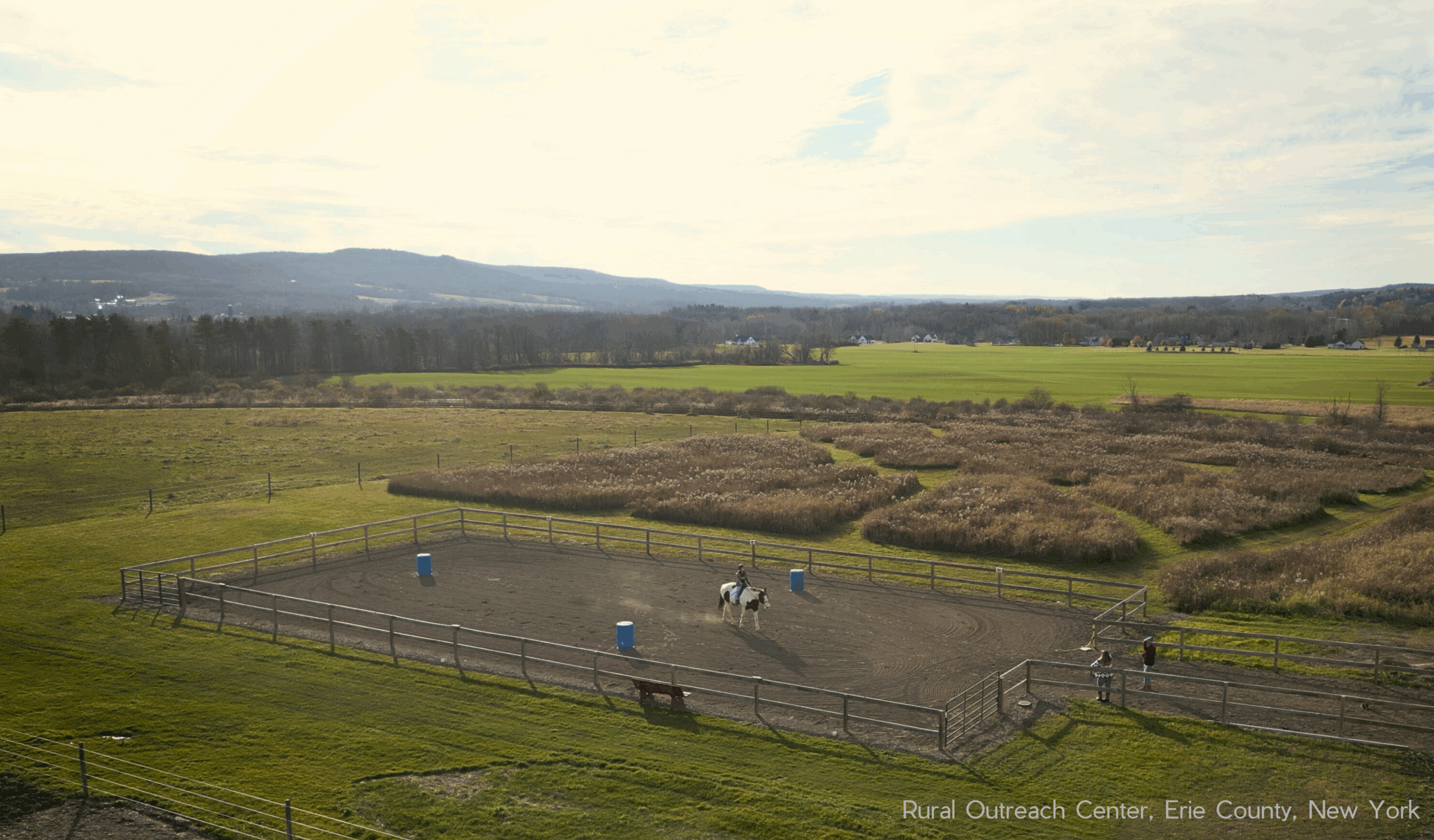
I am kicking off this blog series to lift some of our rural leaders and the highly innovative approaches to problem solving we have seen them employ. Many of the issues faced by our rural partners are the same as our urban and suburban partners. But the way in which they manifest, and the approach to solving them, are different.
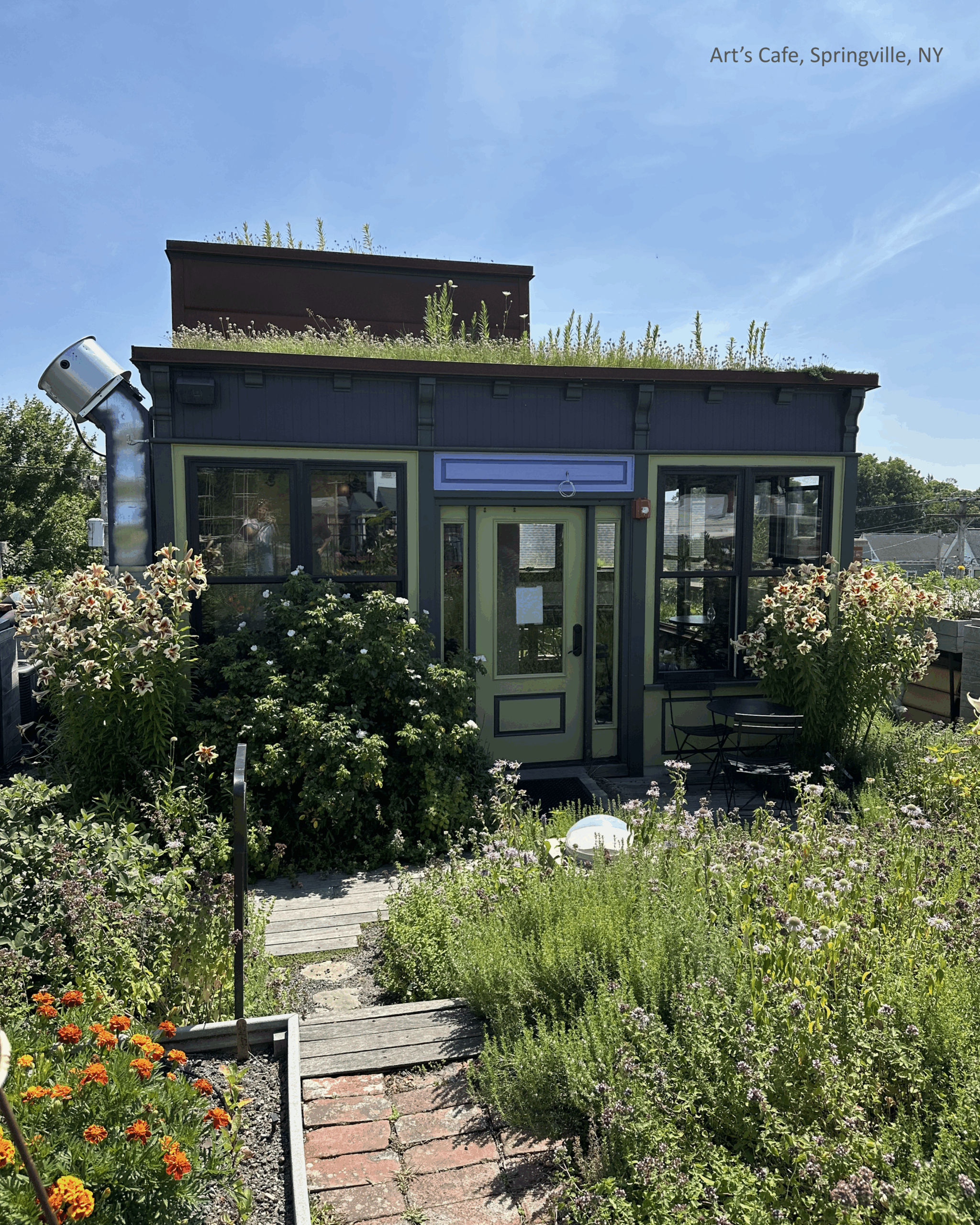
So too, as a philanthropic organization, we need to challenge ourselves to work differently to meet the needs of rural communities. The way in which grants are made is different. Rural civic activity doesn’t always happen in traditional nonprofit organizations – it can happen in farmers markets, fire houses, Lions Clubs, libraries, and county fairgrounds. As a grantmaker, you need to expect – and embrace – the unexpected.
Focus on Leadership
We know to do better, we need to be intentional in providing capacity support to our key local partners and support the pipeline of future leaders. To that end, we were pleased this month to announce the launch of the Ralph C. Wilson, Jr. Foundation’s Rural Philanthropy Fellows Program.
Through the Foundation’s support, 12 rural fellows have been hired by our community foundation partners across two regions of Southeast Michigan and Western New York. This model also inspired another philanthropic partner, the Herrick Foundation, to join by supporting three rural fellows in additional Michigan communities that they serve.
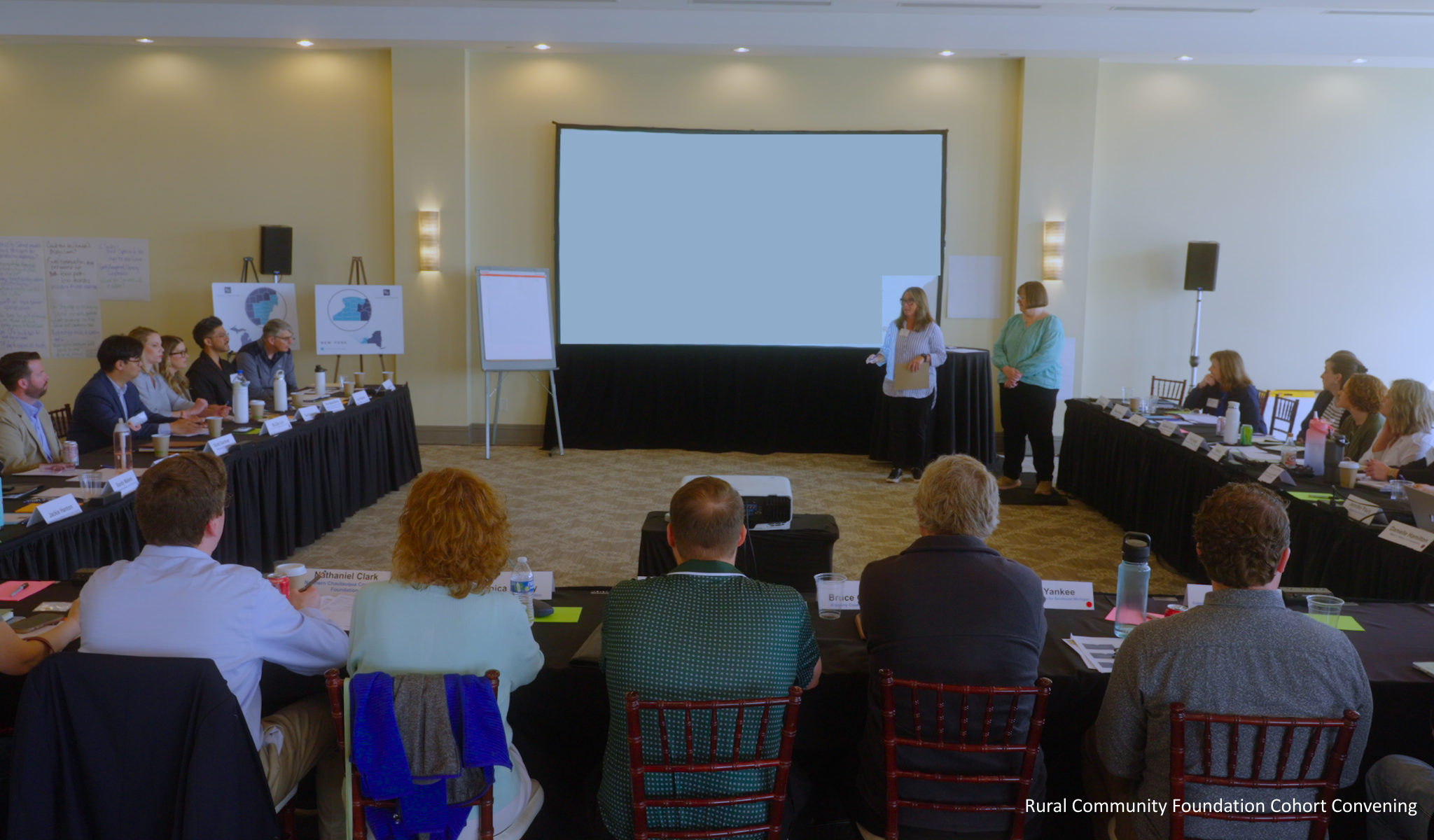
As we continue to build relationships across the regions we serve, it’s a moment for our team and board here at the Ralph C. Wilson, Jr. Foundation to celebrate these leaders and their work!
We look forward to sharing our stories from many other rural partners in the months ahead.
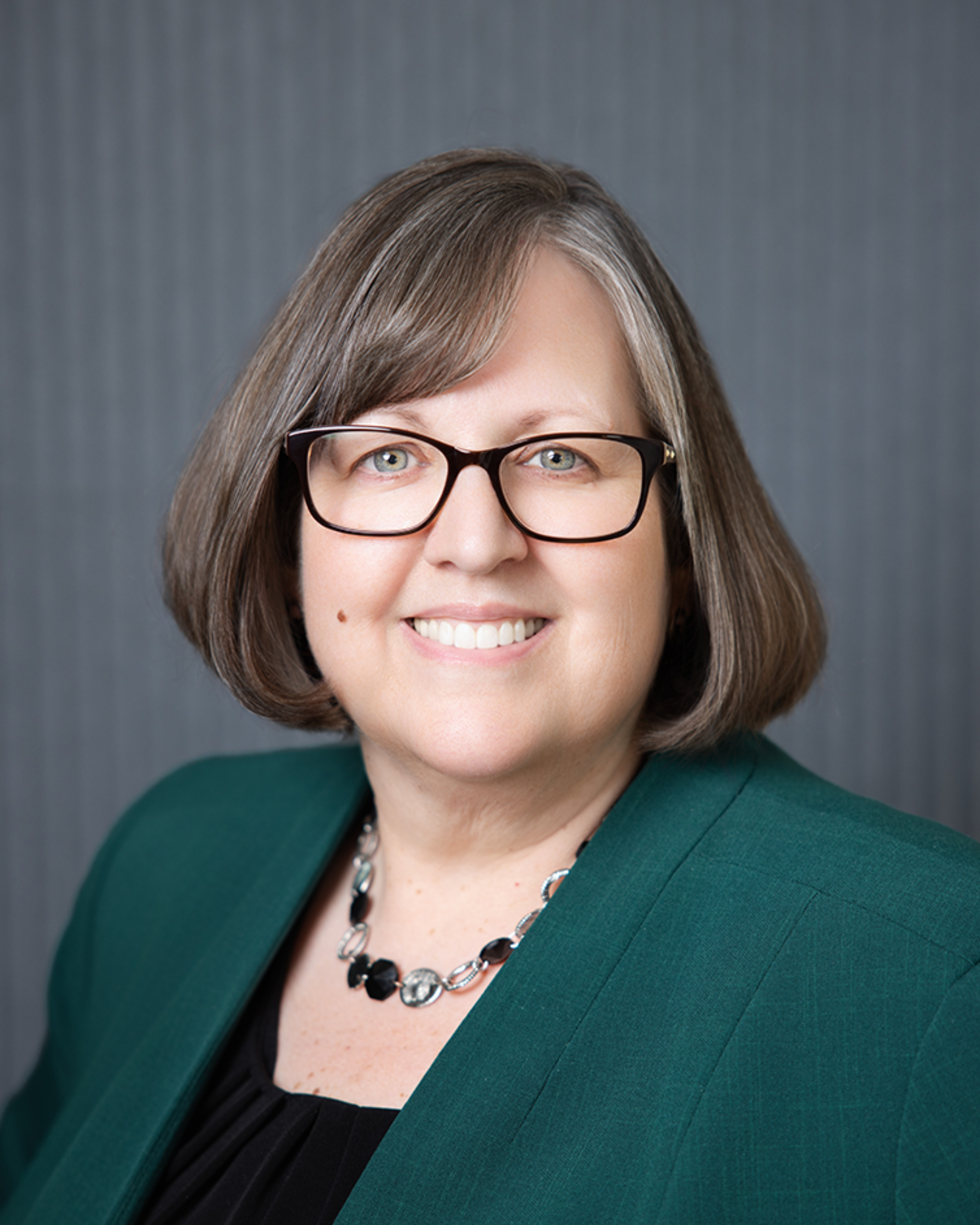
Katie Brisson serves as Senior Director of Special Initiatives at the Ralph C. Wilson, Jr. Foundation. In this role, she contributes to the strategic insight and leadership to the foundation’s grantmaking initiatives while advancing special projects that strengthen impact across portfolios.
Katie brings more than two decades of experience in philanthropy, having spent 24 years at the Community Foundation for Southeast Michigan, including 11 years as Vice President of Program. During her tenure, she led efforts to shape grantmaking strategy during a period of significant growth and played a key role in launching collaborative initiatives such as the Detroit Journalism Engagement Fund, the Michigan Opioid Partnership, and Project Play: Southeast Michigan.
Belle Isle Park Multimodal Mobility Study
The Michigan Department of Natural Resources (DNR), in partnership with the Michigan Department of Transportation and the Belle Isle Conservancy, produced this study of the transportation network at Belle Isle. The DNR grounds this report in an assessment of current transportation conditions on the island. Through data collection and analysis of attendance and parking capacity, along with public and stakeholder engagement, the DNR identifies visitor driving and access challenges and presents recommendations and phased improvements informed by community input. These recommendations aim to create a more inclusive and efficient transportation network for all modes and abilities on and around Belle Isle.
Read the full article at »