
Building Together: Lessons from Transformative Public Spaces
Rural Insights for Philanthropy – Becoming Part of the Tapestry

becoming part of the tapestry
Rural Insights for Philanthropy
It’s a partnership between us and every single person that walks through the door.
– Robert Batt, Executive Director, Cornell Cooperative Extension (Orleans County, NY)
By: Katie Brisson, Senior Director of Special Initiatives
May 2026
Through this series, Senior Director of Special Initiatives Katie Brisson shares stories and insights from rural communities across Southeast Michigan and Western New York. Each post highlights lessons from local leaders that can help shape more responsive and effective philanthropy.
As we spend more time visiting the rural communities we serve, our foundation staff has come to the realization that – it’s not only what we see, but how we see – that leads to successful investments. There is a need to learn about the legacies we are building on, and people we are building with. Local leaders are best poised to provide that guidance.
As we think about how to honor Mr. Wilson’s legacy, we know the most lasting impact will be the investments that honor the donors who have come before us, and those who will come after us. It has become clear that we need to weave our investments closely with the goals of residents, especially in communities where close-knit networks and shared stewardship make community vision deeply personal.
Local Leaders as Guides
One amazing local leader we have learned a lot from is Robert Batt. Robert started coming to 4-H programs at the Orleans County fairgrounds when he was 8 years old. He is now the Executive Director of Cornell Cooperative Extension (CCE) – Orleans, which oversees the 4-H programs, the county fairgrounds, and much more.
Last September, the Foundation awarded a grant to CCE-Orleans County of $250,000 for upgrades to the Trolley Building on the fairgrounds campus. A key building utilized by area nonprofits, government partners and residents – for everything from archery to baby showers to entrepreneur training – made it an obvious focal point for the grant.
Thanks to Robert’s guidance, the organization is also utilizing a portion of the grant to launch a new community collaboration program aimed at strengthening connections between nonprofit organizations from across the county. Robert helped us make the investment better. He helped us to understand the dynamics of the county’s civic infrastructure post-pandemic and how facilitated convenings could make a real difference at this time in spurring thoughtful partnerships.
Having the support to help us nonprofits talk about collaboration, focus on it, and create time and space that sometimes we all struggle to have … has been inspirational.
The Giving USA data continues to remind us that foundation dollars are just a portion of charitable giving in this country. There is danger when organized philanthropy works on visions and goals isolated from the communities it serves. Knowing philanthropic giving in rural communities is limited, we are particularly mindful of this.
No gift is worthwhile if it doesn’t connect to the aspirations of the people it is working to serve.
The ones who are learners become the teachers… A mom of some of the younger 4-H kids was once in the program. Now she’s a leader who’s out teaching her kids and other kids all about livestock and animal husbandry. She dedicates hours and hours and hours of time. … Eileen has probably contributed a small University’s worth of education to the people in our county.
Keeping Strong Ties
Having ties to home communities is critical for some nonprofits to survive, and this is made difficult when people move away. We need to work to maintain those ties to inspire those still present.
Turns out the “Trolley Building” was named after Harold Trolley who, in 1965, was president of the County Fair committee, right after they bought the grounds. He was instrumental in building the first few buildings. To this day, the Trolley family has made contributions to help with maintenance even though many of them have moved away. Similarly, Robert told us about a former Master Gardener who moved south to retire, but still encourages his grandchildren to give back.
While we always appreciate philanthropists and grants, people here are part of what we do, and they contribute just as much … And as long as we keep doing a good job, we keep people passionate.
Being Part of the Solution
To maximize the impact of philanthropic investments, it’s critical to learn on what you are building before you build. The overall tapestry of our rural communities has already been woven. As our foundation adds our threads to the whole, we will become a part of it. If we do it right, the community won’t know a different type of thread has been added. It just fits with the rest of it.

Katie Brisson serves as Senior Director of Special Initiatives at the Ralph C. Wilson, Jr. Foundation. In this role, she contributes to the strategic insight and leadership to the foundation’s grantmaking initiatives while advancing special projects that strengthen impact across portfolios.
Katie brings more than two decades of experience in philanthropy, having spent 24 years at the Community Foundation for Southeast Michigan, including 11 years as Vice President of Program. During her tenure, she led efforts to shape grantmaking strategy during a period of significant growth and played a key role in launching collaborative initiatives such as the Detroit Journalism Engagement Fund, the Michigan Opioid Partnership, and Project Play: Southeast Michigan.
Rural Insights for Philanthropy – Adapting National Models to Rural Communities
Rural Insights for Philanthropy
Adapting National Models to Rural Communities
People need to understand that many residents in rural communities go days without looking at their email or even having access to it. To effectively work in rural communities, you need to show up… visit people… call people. Support what they are doing, and they will support what you are doing in return.
– Nancy Winzer, retired Parks & Recreation Director (Port Huron, Michigan)
By: Katie Brisson, Senior Director of Special Initiatives
April 2026
Through this series, Senior Director of Special Initiatives Katie Brisson shares stories and insights from rural communities across Southeast Michigan and Western New York. Each post highlights lessons from local leaders that can help shape more responsive and effective philanthropy.
As our team at the Ralph C. Wilson, Jr. Foundation began to strategically find more opportunities to deepen our grantmaking reach into rural communities, many national experts reached out offering their support and expertise. There are some great efforts and conversations going on nationally, like the Roundhouse Foundation’s Funding Rural Podcast and the Trust for Civic Life. We’ve been so grateful to them and others for sharing important “lessons learned.”
No matter where the Foundation has launched a new initiative or project across its two regions, we know that work needs to first begin with local voice. Without local support and buy in, our investments will not be successful. This is especially critical as a time-limited foundation with less than 10 years remaining. So, as we pull in national partners, we are only doing so where our local leaders say they want them and are providing guidance on how to build trust between them.
A Path Forward
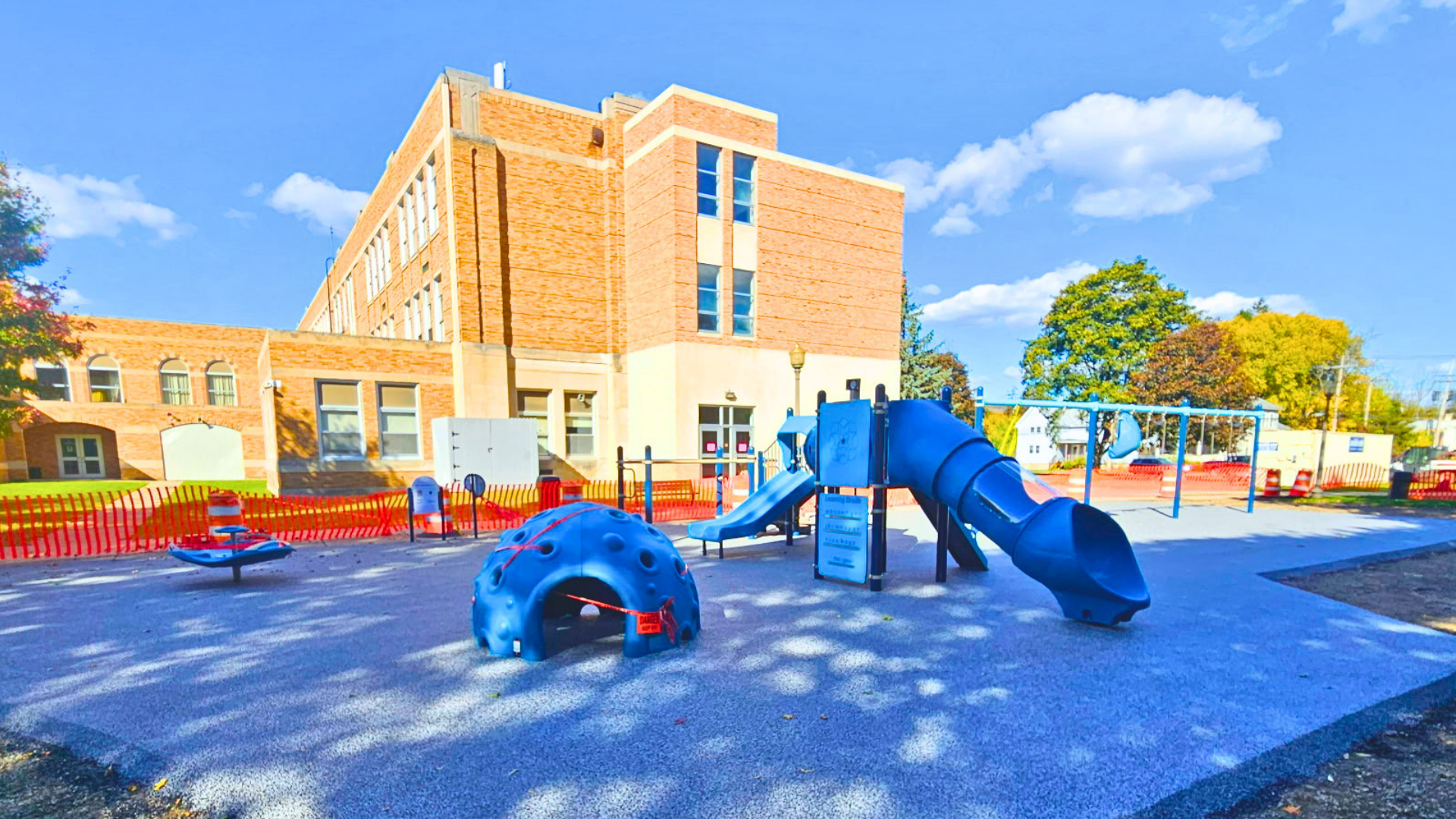
One of the most impactful partnerships we’ve had to date between a national organization and the rural communities we serve is with KABOOM! through our Built to Play initiative within our Youth Sports & Recreation grant portfolio.
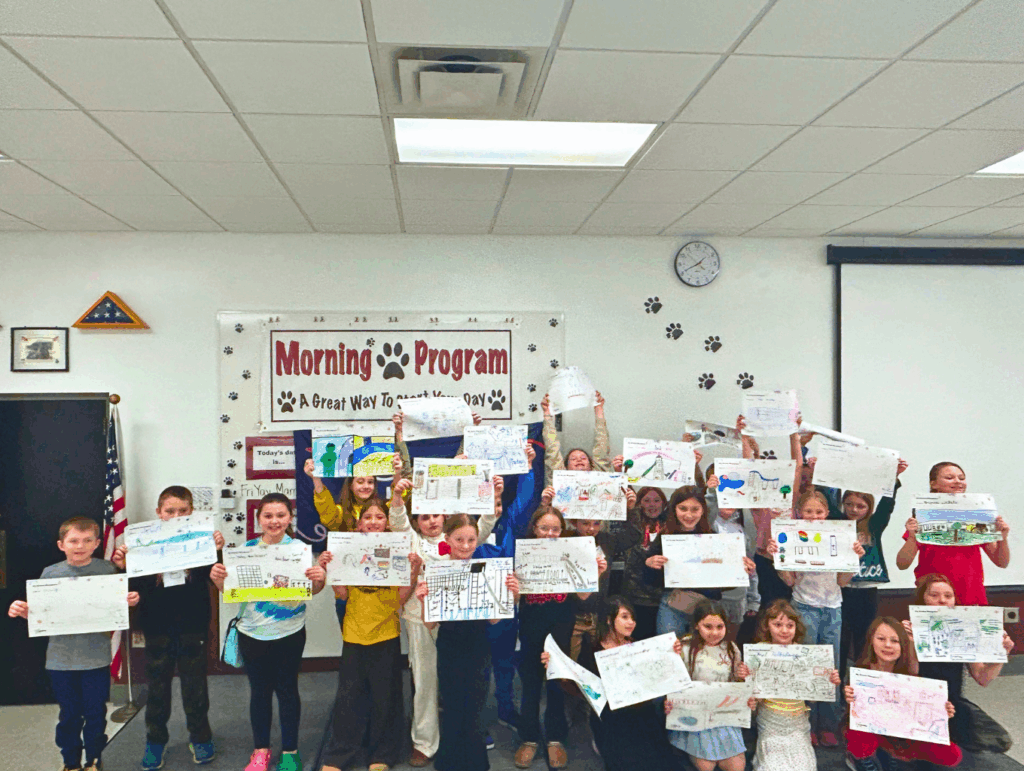
KABOOM! is a national nonprofit working to ensure that every child has access to quality, safe places to play. Engagement with the local community is at the heart of their process, with residents and kids involved throughout the design, construction and maintenance phases to ensure greater success for the final play space. Together, with KABOOM! and The Skatepark Project, the Foundation has invested in the creation of more than 90 unique play spaces and skateparks across both of our regions.
As Built to Play winds down, we’ve partnered with KABOOM! to utilize the remaining initiative funds on eight playground builds in our rural communities. Along the way, they have offered unique and valuable perspectives with us from this work. After partnering last October 2025 on a playground build in Cuba, NY – population of 3,110 – Carrie Leovy, a Senior Strategist with KABOOM! shared with us,
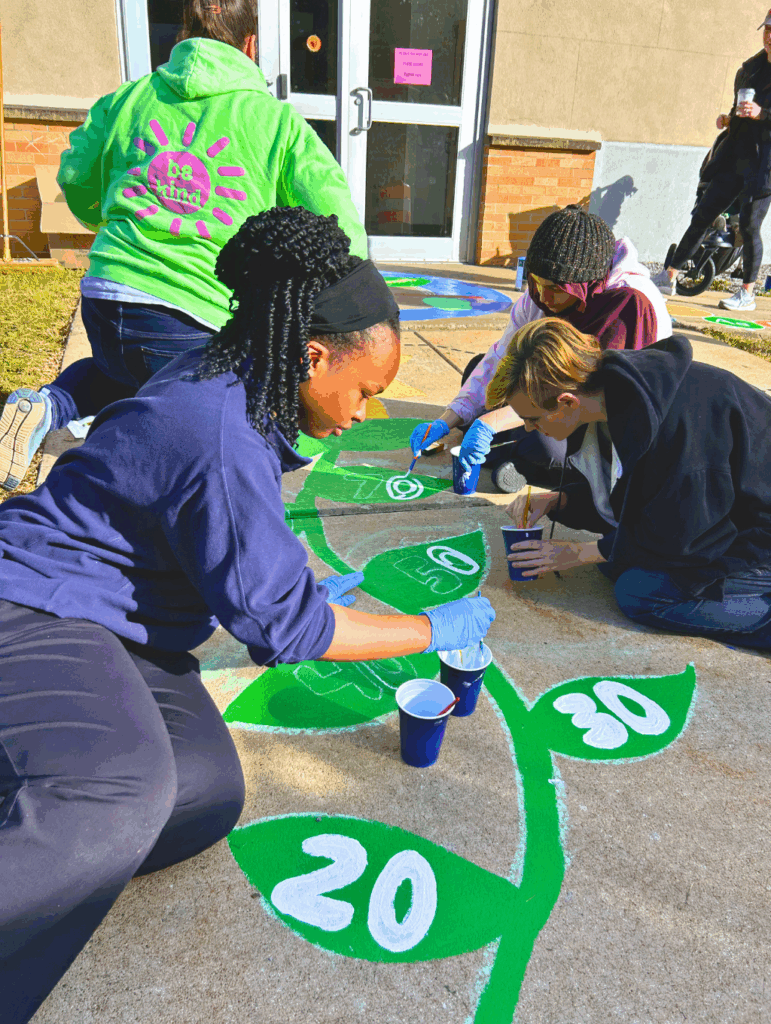
While we have been doing this work for many years across the country, this Wilson effort gives us a special opportunity to help rural communities. It’s making our organization better. We have been reflecting on what works well with rural community partnerships:
- First and foremost, we have learned the importance of working early and regularly with our on-the-ground community partners.
- Second, local community foundations are great partners to have on these projects and have helped us to navigate the relationships important for the success of these projects. For example, thanks to the Allegany County Area Foundation, both our Design Day and Our Build Week for our project in Cuba, NY had the hopeful, high-gear collaborative energy of a community barn raising. This same community teamwork characterized the three months of grassroots planning for this project.
Additionally, community leaders were able to leverage the Wilson Foundation’s support with as many local matching commitments as they could secure so that they could create a playground with the greatest possible scale and play value for their kids over the next generation.
Focus on Leadership
The challenges rural communities face requires a collective, long-term approach beyond any one organization. But what makes progress possible is the strength of local leadership and the collective nature rural communities already embody. We will continue to invest in rural leaders and transformational projects that build on that foundation.
Reflecting on her experience, Nancy Winzer, retired Port Huron Parks & Recreation Director and partner on several Built to Play projects, said:
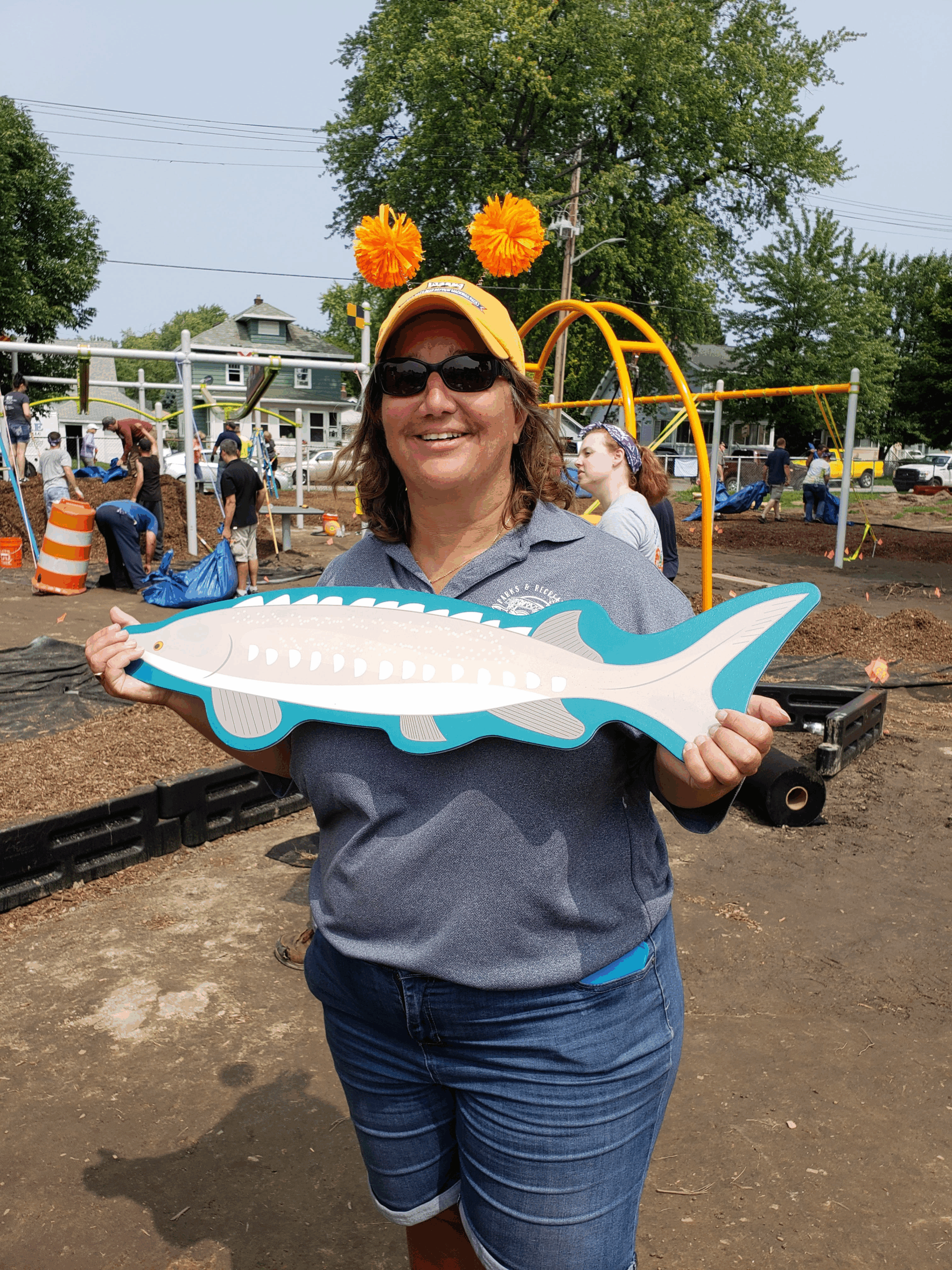
The needs of under-resourced rural communities can be overwhelming. What local leaders need is a jumping off point. A quick win on which to build other successes. A sense of where to start and what issue to tackle first. Now is the time for philanthropy to help make that happen.
Ultimately, the future of this work will not be defined by what we bring in, but by what we help strengthen from within. We look forward to continuing to share more stories, insights, and perspectives from rural in the months ahead.
Katie Brisson serves as Senior Director of Special Initiatives at the Ralph C. Wilson, Jr. Foundation. In this role, she contributes to the strategic insight and leadership to the foundation’s grantmaking initiatives while advancing special projects that strengthen impact across portfolios.
Katie brings more than two decades of experience in philanthropy, having spent 24 years at the Community Foundation for Southeast Michigan, including 11 years as Vice President of Program. During her tenure, she led efforts to shape grantmaking strategy during a period of significant growth and played a key role in launching collaborative initiatives such as the Detroit Journalism Engagement Fund, the Michigan Opioid Partnership, and Project Play: Southeast Michigan.
Rural Insights for Philanthropy
Rural Insights for Philanthropy
Rural communities are rich with leadership, resilience, and innovation, though these stories are not always amplified in philanthropic spaces.
In this new blog series, our Senior Director of Special Initiatives Katie Brisson will share her insights and stories from the Foundation’s work across the many rural communities that make up our two geographies and reflect on the lessons they hold for the broader philanthropic field. Each post will feature insights shaped by local leaders and grounded in their lived experience.
By: Katie Brisson, Senior Director of Special Initiatives
March 10, 2026
“You get used to being overlooked. It’s nice to know you (RCWJRF) are paying attention to rural.”
– Bruce Campbell, Executive Director, Allegany County Area Foundation
Rural leadership is essential to the future of our regions, and philanthropy must evolve to support it. As the Ralph C. Wilson, Jr. Foundation passes its halfway mark as a 20-year limited life foundation, our team is not only celebrating the work to date but also thinking about areas where we can do more. Our rural communities are one of those focal points. With a mission to serve 16 counties across the two regions of Southeast Michigan and Western New York, it requires lots of listening and understanding. Important perspectives from our rural communities and smaller cities can easily be missed. Sometimes, wrong assumptions are made.
Some quick facts compiled by our colleagues at the Center for Rural Innovation:
- Nearly 15% of the U.S. population lives in rural areas
- More than 10 million rural Americans are people of color
- Geographic income inequality has risen more than 40% between 1980 and 2021
- Close to 80% of counties with long-term, persistent poverty are rural
- Just 3% of philanthropic funding goes to rural areas
- Less than 2% of venture capital is invested in rural business
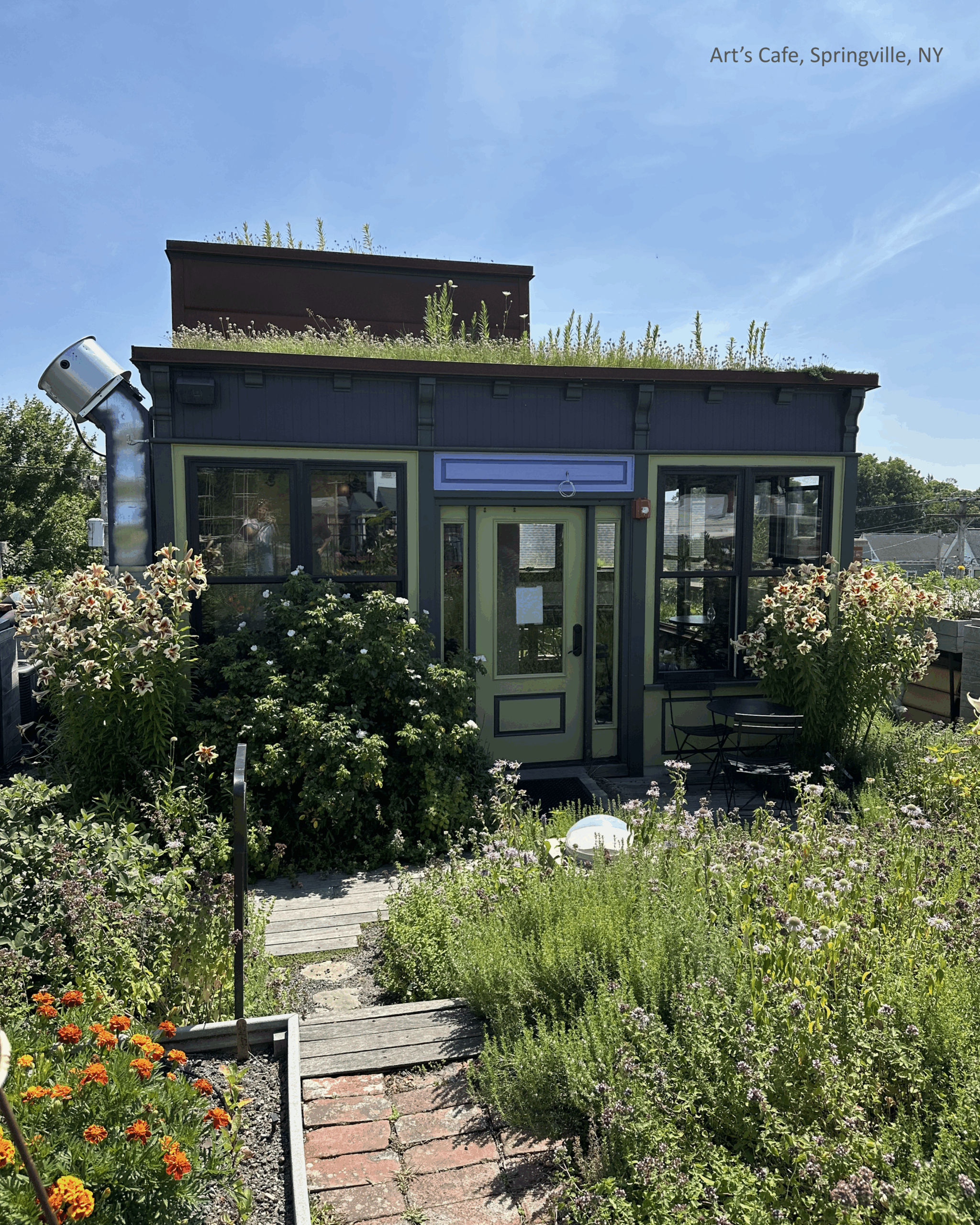
I am kicking off this blog series to lift some of our rural leaders and the highly innovative approaches to problem solving we have seen them employ. Many of the issues faced by our rural partners are the same as our urban and suburban partners. But the way in which they manifest, and the approach to solving them, are different.
So too, as a philanthropic organization, we need to challenge ourselves to work differently to meet the needs of rural communities. The way in which grants are made is different. Rural civic activity doesn’t always happen in traditional nonprofit organizations – it can happen in farmers markets, fire houses, Lions Clubs, libraries, and county fairgrounds. As a grantmaker, you need to expect – and embrace – the unexpected.
Focus on Leadership
We know to do better, we need to be intentional in providing capacity support to our key local partners and support the pipeline of future leaders. To that end, we were pleased this month to announce the launch of the Ralph C. Wilson, Jr. Foundation’s Rural Philanthropy Fellows Program.
Through the Foundation’s support, 12 rural fellows have been hired by our community foundation partners across two regions of Southeast Michigan and Western New York. This model also inspired another philanthropic partner, the Herrick Foundation, to join by supporting three rural fellows in additional Michigan communities that they serve.
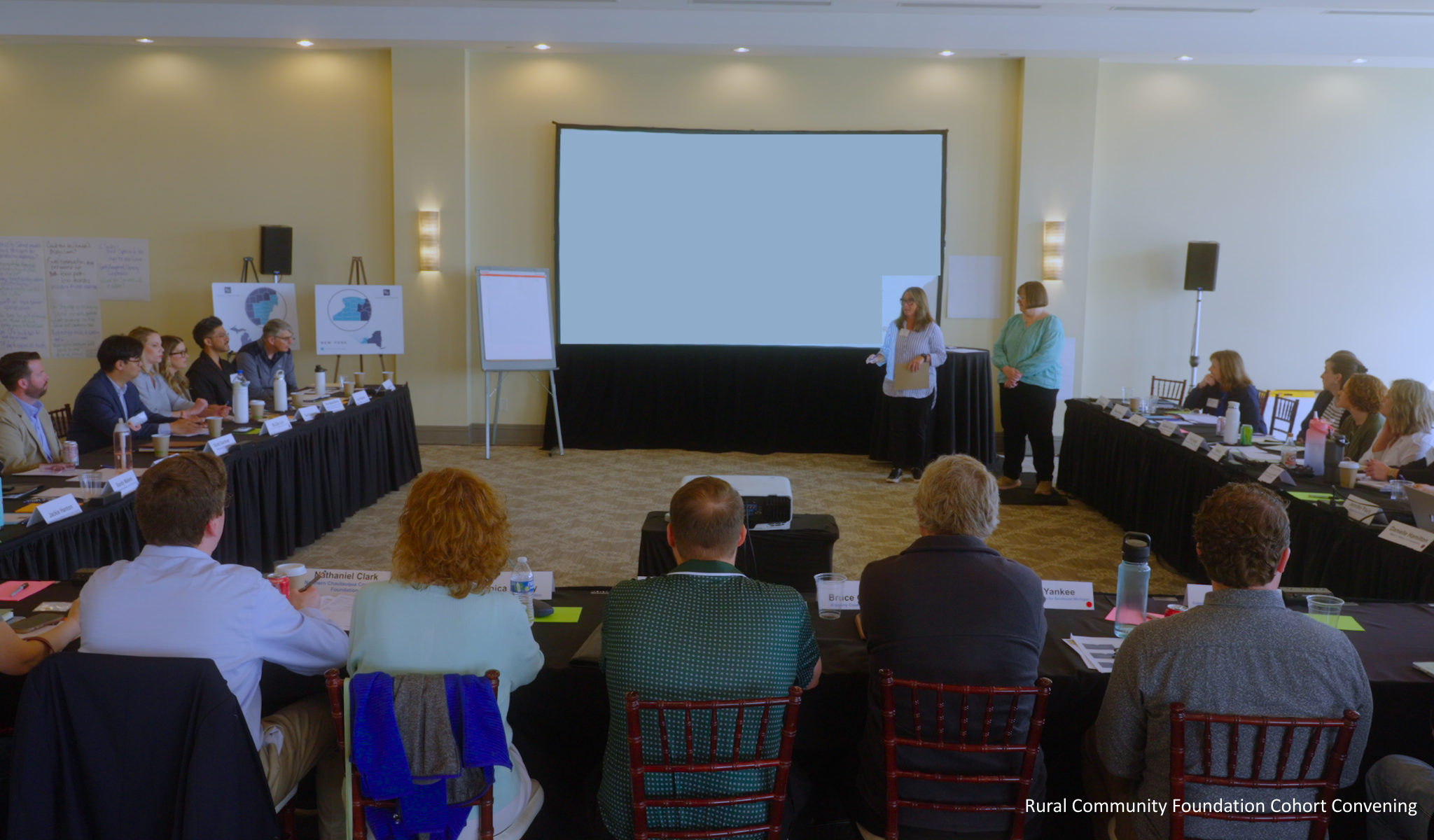
As we continue to build relationships across the regions we serve, it’s a moment for our team and board here at the Ralph C. Wilson, Jr. Foundation to celebrate these leaders and their work!
We look forward to sharing our stories from many other rural partners in the months ahead.
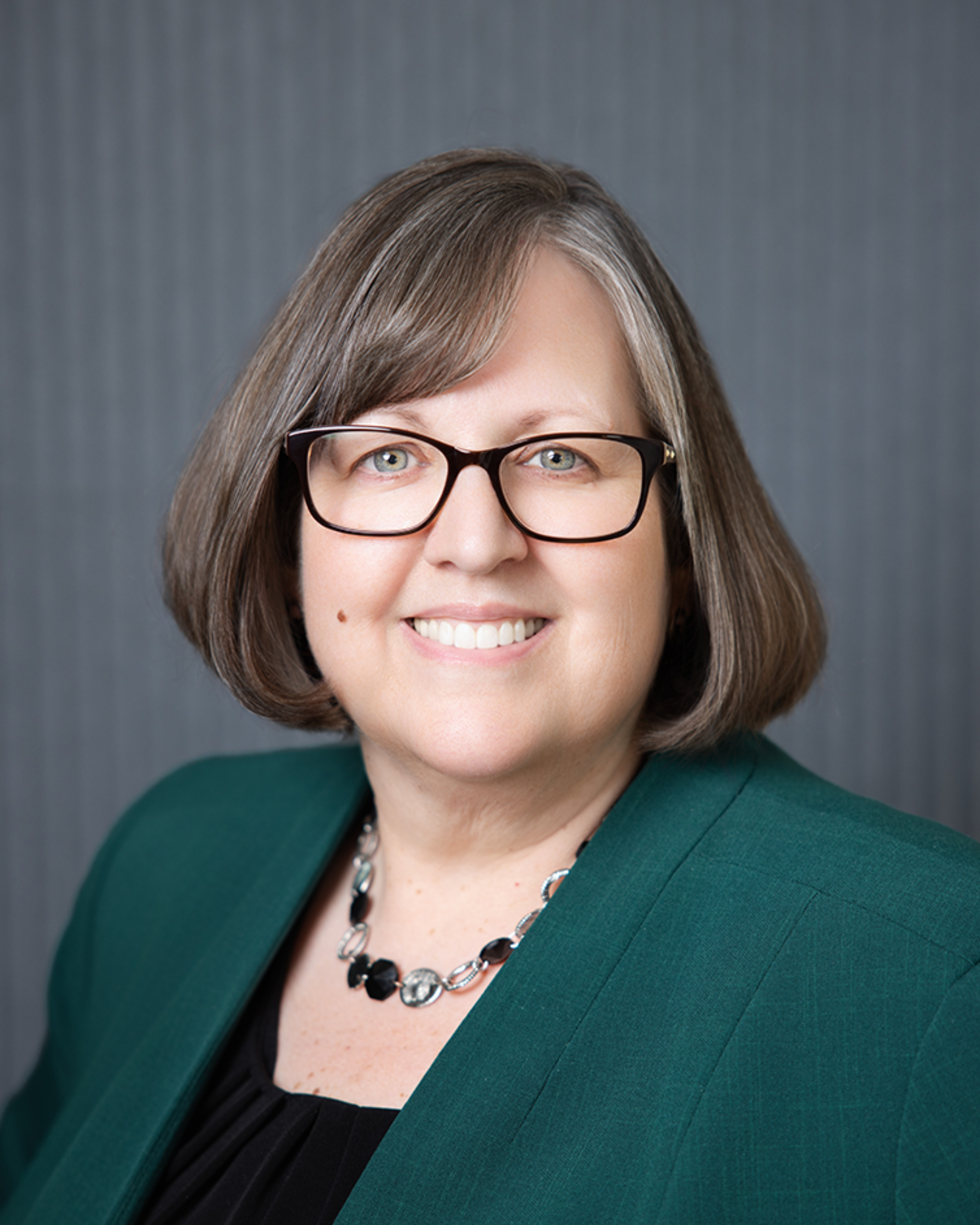
Katie Brisson serves as Senior Director of Special Initiatives at the Ralph C. Wilson, Jr. Foundation. In this role, she contributes to the strategic insight and leadership to the foundation’s grantmaking initiatives while advancing special projects that strengthen impact across portfolios.
Katie brings more than two decades of experience in philanthropy, having spent 24 years at the Community Foundation for Southeast Michigan, including 11 years as Vice President of Program. During her tenure, she led efforts to shape grantmaking strategy during a period of significant growth and played a key role in launching collaborative initiatives such as the Detroit Journalism Engagement Fund, the Michigan Opioid Partnership, and Project Play: Southeast Michigan.
Belle Isle Park Multimodal Mobility Study
The Michigan Department of Natural Resources (DNR), in partnership with the Michigan Department of Transportation and the Belle Isle Conservancy, produced this study of the transportation network at Belle Isle. The DNR grounds this report in an assessment of current transportation conditions on the island. Through data collection and analysis of attendance and parking capacity, along with public and stakeholder engagement, the DNR identifies visitor driving and access challenges and presents recommendations and phased improvements informed by community input. These recommendations aim to create a more inclusive and efficient transportation network for all modes and abilities on and around Belle Isle.
Read the full article at »