

RETHINKING THE CULTURAL NARRATIVE ABOUT RURAL
Rural Insights for Philanthropy
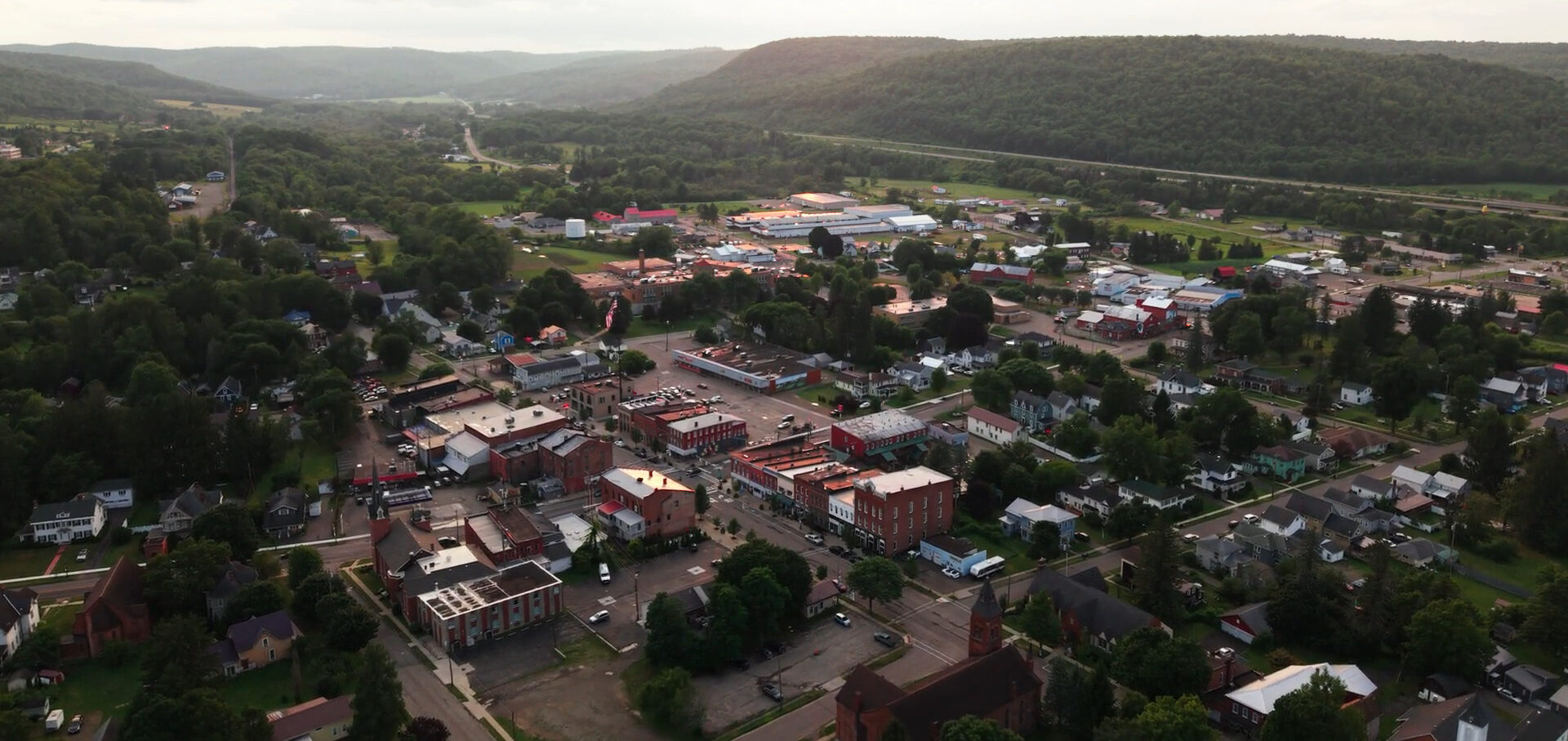
If you haven’t had experience with rural communities, you might think of them being perhaps nothing but a small farm community… not having opportunities…not being culturally motivated. There’s a lot more to be seen, to be heard, and to be given.
– Michele Conklin, Executive Director, Palmer Opera House
By: Katie Brisson, Senior Director of Special Initiatives
October 2026
Through this series, Senior Director of Special Initiatives Katie Brisson shares stories and insights from small towns and rural communities across Southeast Michigan and Western New York. Each post highlights lessons from local leaders that can help shape more responsive and effective philanthropy.
A phrase often heard in philanthropic circles is that we are “working to improve quality-of-life” of the people and communities we serve. But what do we need to uniquely consider with that goal for rural communities? As rural newspapers close and gaps in digital access persist, rural communities have fewer opportunities to tell their own stories, leaving broader coverage vulnerable to stereotypes that overlook the diversity of their experiences, strengths and challenges.
In philanthropy, we need to regularly question our assumptions, and work to uncover the assets rural communities hold that can be strengthened. Further, we need to be rigorous in understanding the sorts of organizations, structures and cultural fabric that contribute to quality of life, recognizing that these can look different from one community to another.
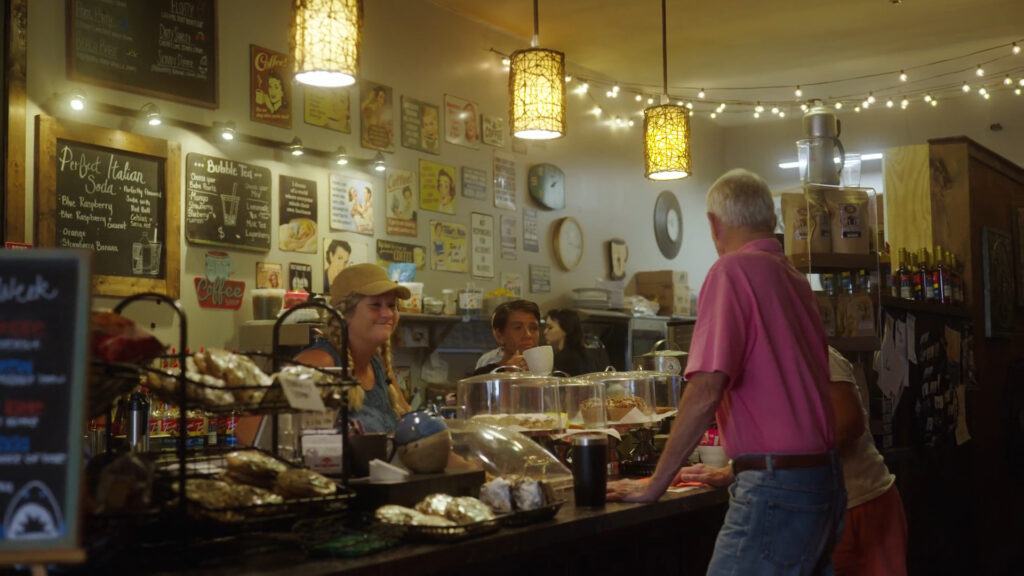
For some of the younger generations, it can be a bit difficult to see the opportunities, especially with how much social media uplifts more urban areas. I do think it’s a misunderstanding… you kind of have to dig your teeth in, and explore the opportunities, and find connections. Then when you do… they are more heartfelt…more determined, passionate. It just takes a little bit of extra grit and resilience, but that makes it almost just more beautiful and worthwhile in the end.
– Alyssa Bump, Rural Philanthropy Fellow, Allegany County Area
Once we find those people and organizations who influence rural positive change, philanthropic leaders might consider what role we can play to make their voices louder as a tool to have a better-informed narrative about rural communities. We can help to shine a light on societal gems – leaders like Michele Conklin at Palmer Opera House. To her, improving quality of life for others isn’t just a notion. She is living it every day.
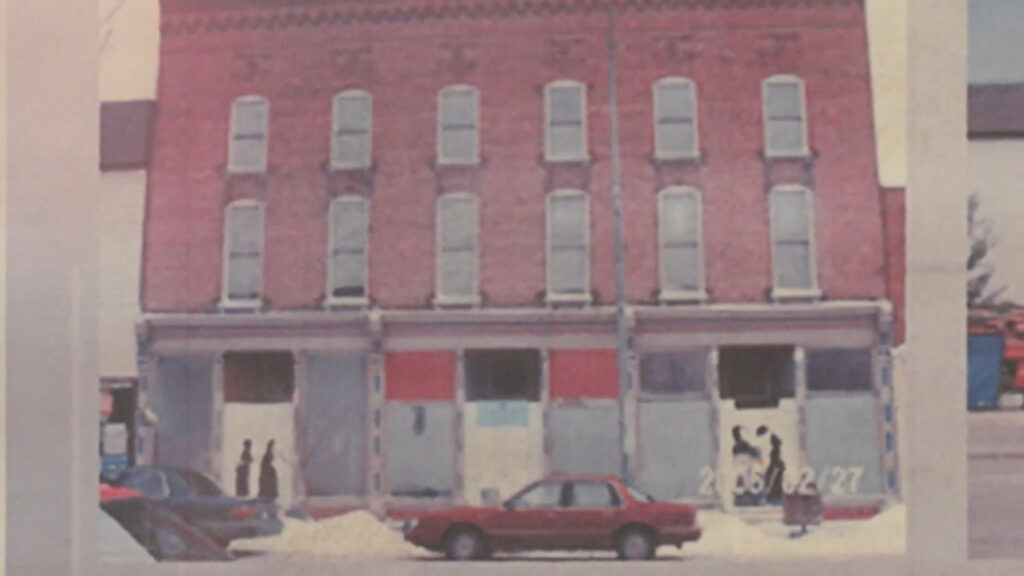
The Palmer Opera House is nestled on Main Street in Cuba, NY, population of 3,000. Built in 1867, it was originally designed to house commercial stores on the street level and a community opera house on the second floor. It hosted a wide variety of events and served as a key gathering place for residents of many rural communities in the area.
Fast forward to 2026, following an extensive rehabilitation effort in 2006, that original mission is still being met, but in a way that meets the needs and interests of their community today. The first floor is now home to two shops run by local women entrepreneurs as well as the Cuba Cheese Museum, a key tourist destination. The second floor, which includes a full-sized stage and large seating area, is utilized for a wide range of community events – from theater to concerts to yoga classes.
In response to needs identified by the Palmer Opera House, the Ralph C. Wilson, Jr. Foundation provided funding for immediate improvements, including new chairs and tables, and is supporting upgrades to the building’s technology and digital marketing tools. Together, these investments address immediate needs while helping the Palmer Opera House reach it’s community members and continue adapting to how residents and local businesses use the space.
These small towns can be an excellent place for entrepreneurs, for raising families, for retirees…for remote workers… It’s affordable living. … You may have to look a little harder to find it, but there’s opportunity … people recognizing quality of life advantages.
– Bruce Campbell, Executive Director, Allegany County Area Foundation
The Palmer Opera House illustrates what can be overlooked when rural communities are viewed primarily through their challenges. Beyond its historic significance, the building supports local businesses, cultural experiences and meaningful community connections. Its continued evolution reflects the vision of local leaders who understand what makes this place special.
For philanthropy, improving quality of life begins with listening to those who know their communities best and recognizing the assets they already value. By building on these strengths, funders can help support local priorities while contributing to a fuller, more accurate narrative about rural life.

Katie Brisson serves as Senior Director of Special Initiatives at the Ralph C. Wilson, Jr. Foundation. In this role, she contributes to the strategic insight and leadership to the foundation’s grantmaking initiatives while advancing special projects that strengthen impact across portfolios.
Katie brings more than two decades of experience in philanthropy, having spent 24 years at the Community Foundation for Southeast Michigan, including 11 years as Vice President of Program. During her tenure, she led efforts to shape grantmaking strategy during a period of significant growth and played a key role in launching collaborative initiatives such as the Detroit Journalism Engagement Fund, the Michigan Opioid Partnership, and Project Play: Southeast Michigan.