

Second annual summit advocates for quality youth sports opportunities
Michigan community colleges boost virtual, in-person mental health services
Community college apprenticeships offer opportunities to ‘earn while you learn’
Community college apprenticeships offer opportunities to ‘earn while you learn’
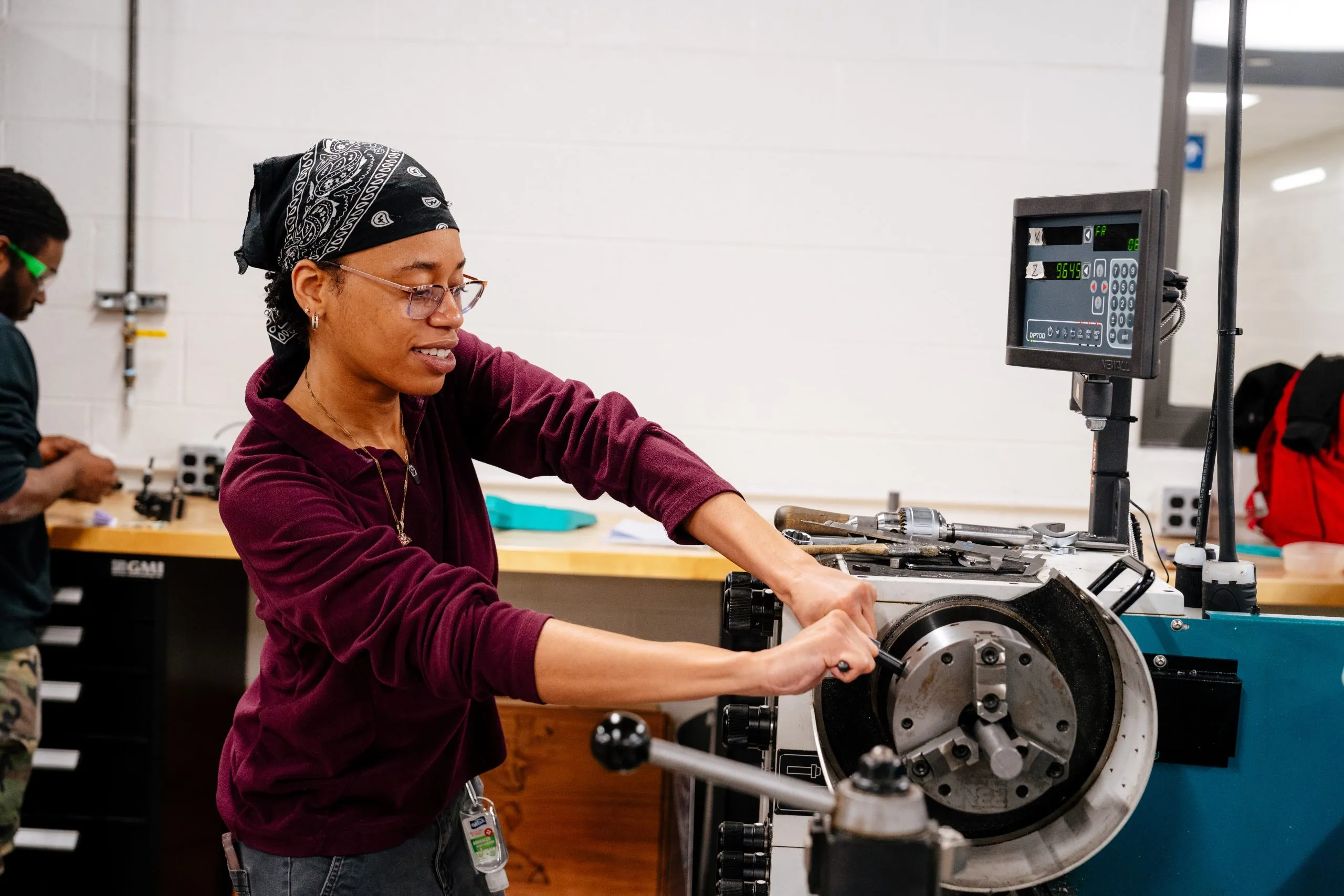
Macomb Community College offers several classes in the skilled trades and healthcare fields through the Map+ program
By Randiah Camille Green
April 28, 2026
This sponsored story was originally published by Outlier Media
This story was written by Randiah Camille Green and created in partnership with the Ralph C. Wilson, Jr. Foundation. It is part of a year-long series focusing on programs and pathways to good paying jobs and careers in Detroit.
Jake Wigginton always knew he wanted to work in a skilled trade, but he wasn’t sure how to get a good job after graduating from high school. So he enrolled in the Macomb Community College (MCC) Michigan Apprenticeship Program Plus Industrial Readiness program, known as Map+, and upon completion he landed a job as an apprentice instantly.
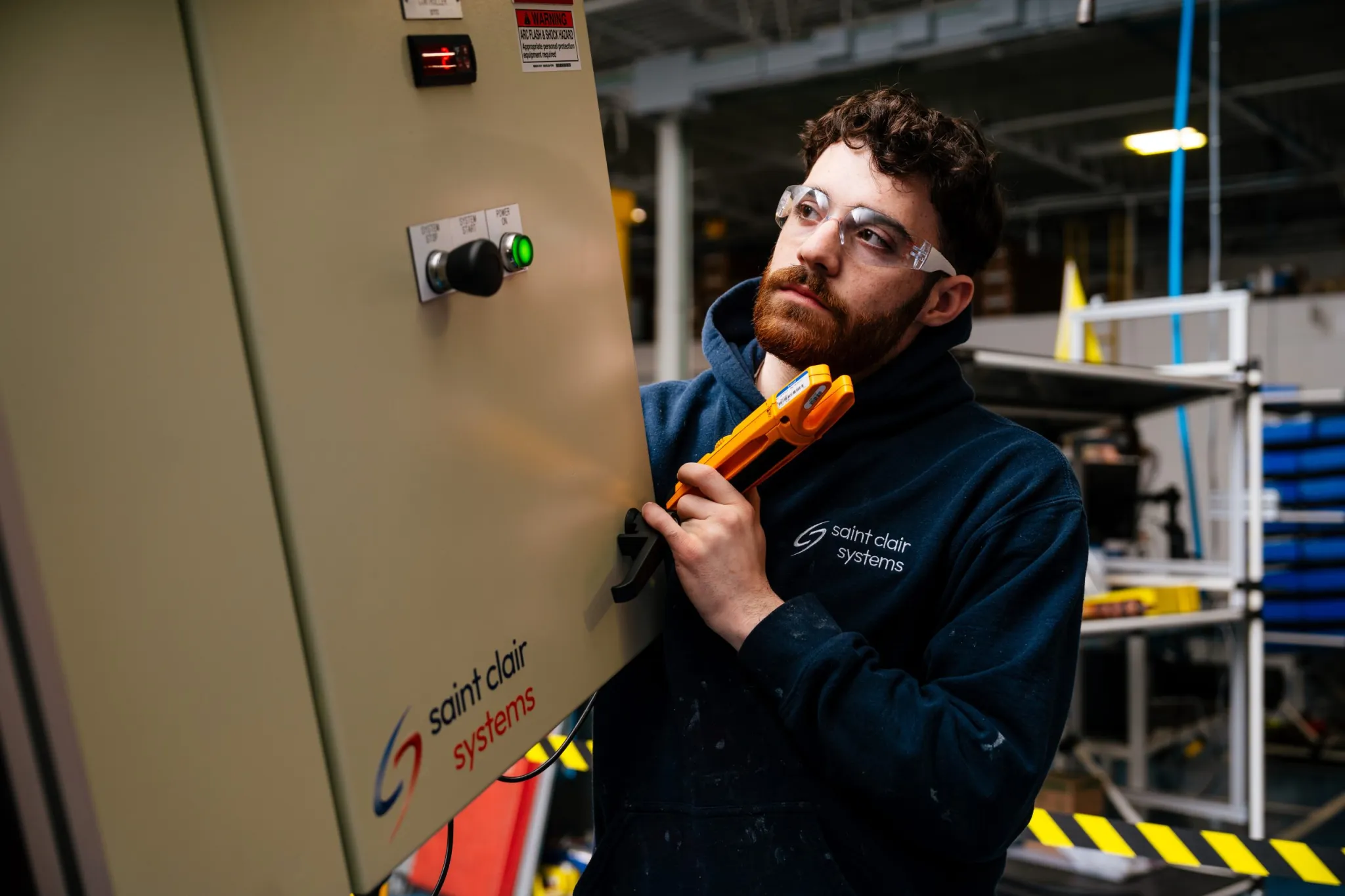
“It was a little bit challenging because I was experiencing new stuff, like how to solder. But it was a fun challenge. And most of my instructors have done their job for like 30 years, so they know what they’re talking about,” Wigginton said. “Those classes helped me a lot. I’ve learned a lot that has dipped into my work and as I’m working, I’m like, ‘Oh my God, I learned this in class.’”
At 21 years old, Wigginton is working as a certified maintenance technician while continuing to take classes at MCC as part of his apprenticeship, all sponsored by his employer. He also gets paid for the time he is in class. All of the courses he is taking are chosen by his employer to further his career, including skills taught in arc welding, technical writing, and electrical courses.
“I started [working] Jan. 8, 2024 and they said, ‘You wanna do more school?’ I said, heck yeah and they signed me up for the winter semester,” he said. “The Map+ program is definitely the way to go because it helped me a lot with understanding trade work. And there are so many opportunities because even the professors have connections that could lead to an opportunity if you don’t get hired at the job fair.”
Roughly 70% of students receive an apprenticeship or entry-level skill trades position upon completing the Map+ program, according to MCC Professor and Apprentice Coordinator Vikki Gordon, who emphasizes that an apprenticeship is in fact a job.
“It is a very proven, very successful workforce development model,” she says, adding that after MCC teaches the skills to get a job, “We will get you in front of an audience of hiring employers, especially those who have apprenticeship programs.”
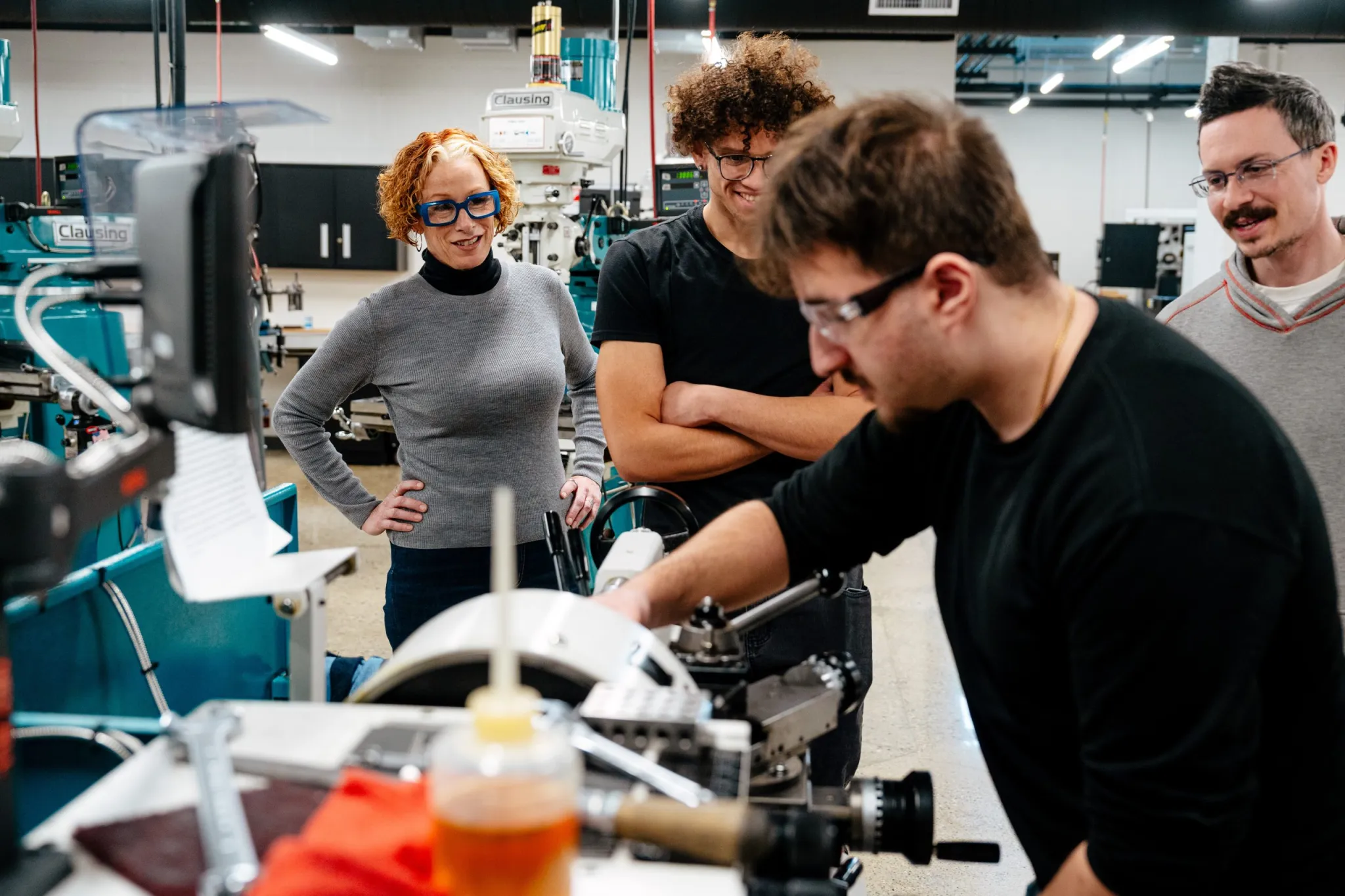
For those who already have an apprenticeship through their employer, Macomb offers several classes in the skilled trades and healthcare fields. The college works with more than 100 employers, including General Motors, Stellantis, and Ford, with nearly 800 students taking classes as part of skilled trade apprenticeships currently.
“All of the programs are for-credit, so whether they get into the pre-apprenticeship program or an apprenticeship with an employer who sends them to us to complete the classes, they will get credentials that will go toward an associates degree,” Gordon said. “We’re very responsive to what employers in the area would like to see in a candidate that they’re considering for an apprenticeship program, so their credentials meet not only the needs of the students to be engaging and exciting and give them skills, but the needs of the industry.”
Several other community colleges, including Henry Ford College (HFC), Oakland Community College (OCC), and Schoolcraft College partner with employers across metro Detroit for apprenticeships. Schoolcraft has 45 employer-sponsored apprenticeship programs, primarily in skilled trades. They also offer many opportunities for students to “upskill their professions” in healthcare by learning related skills, in a model they refer to as “earn while you learn.”
Some of the “earn while you learn” pathways at Schoolcraft, in healthcare fields, include MRI, vascular ultrasound, interventional radiology, and musculoskeletal ultrasound. These are for individuals who are already working in healthcare, and want to gain additional certifications to move into jobs that fill gaps in the industry and earn higher wages.
“We have so many healthcare jobs that are available because in the COVID era, a lot of people left healthcare and a lot of people retired, so we have a large gap,” Keambra Pierson, Schoolcraft’s chief academic operations officer said. “We try to make sure we partner well with our community partners, to make sure that we’re able to give them what they’re looking for in the workforce, and then they are able to send people back here to continue to get the upskilling that’s necessary in the workforce.”
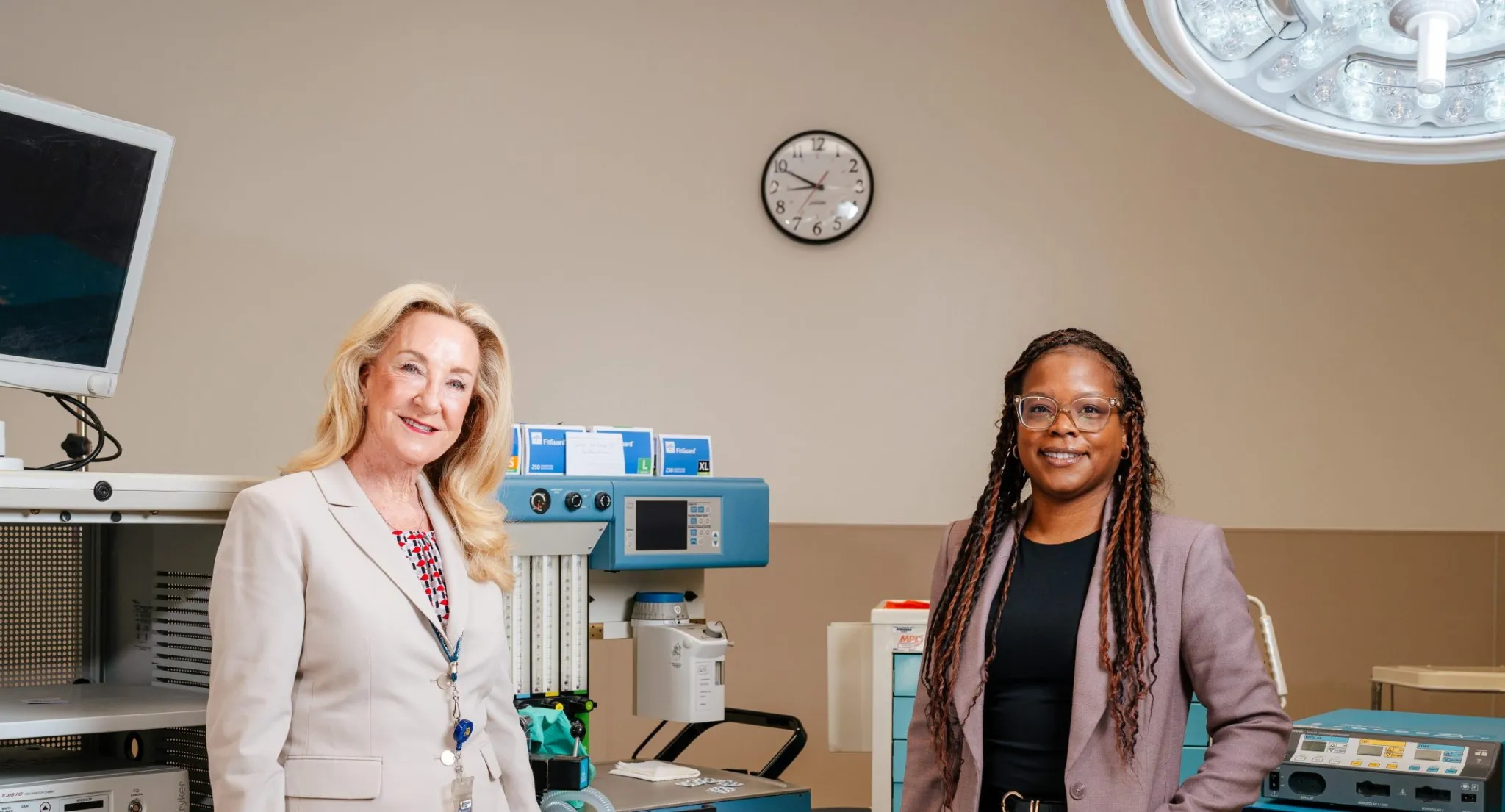
Schoolcraft has also infused opportunities for employment and apprenticeships into several of its programs, like the Pharmacy Technician program. Those who complete this one-semester program, conducted in partnership with CVS, can gain immediate employment with the company. The school’s Medical Assisting program also offers employer-sponsored apprenticeships through partnerships with Henry Ford Health System and IHA Medical Group, which is part of Trinity Health.
“Nationally, individuals who finish some of these different pathway degrees, whether it’s an apprenticeship program or an upskilling pathway, 92% stay with their employer for three to five years, and that’s a huge number. And actually, 90% of them stay over five years,” said health professions liaison at Schoolcraft, Donna Moyer. “And in most of these apprenticeship programs, the individuals end up with little or no student debt.”
Michigan has been rated as the fourth best state in the nation for workforce development due to strong skilled trades programs, colleges, and universities. Apprenticeships and pre-apprenticeship programs undoubtedly contribute to this high ranking, providing people opportunities to earn a higher-than-livable wage with long-term employment.
“There’s something to be said for the ease of transition from school to a career,” Moyer said of Schoolcraft students. “They receive an industry recognized, national credential, plus, in some cases, they can earn college credits and they get a college certificate.”
Those interested in MCC’s Map+ pre-apprenticeship program are encouraged to contact Program Coordinator Carol Hensler-Smith at hensler-smithc516@macomb.edu.
To learn more about programs and pathways to good paying jobs and careers in Detroit, Highland Park, and Hamtramck, visit: https://outliermedia.org/tag/pathways-to-good-paying-jobs/
Rural Insights for Philanthropy – Adapting National Models to Rural Communities
Rural Insights for Philanthropy
Adapting National Models to Rural Communities
People need to understand that many residents in rural communities go days without looking at their email or even having access to it. To effectively work in rural communities, you need to show up… visit people… call people. Support what they are doing, and they will support what you are doing in return.
– Nancy Winzer, retired Parks & Recreation Director (Port Huron, Michigan)
By: Katie Brisson, Senior Director of Special Initiatives
April 2026
Through this series, Senior Director of Special Initiatives Katie Brisson shares stories and insights from rural communities across Southeast Michigan and Western New York. Each post highlights lessons from local leaders that can help shape more responsive and effective philanthropy.
As our team at the Ralph C. Wilson, Jr. Foundation began to strategically find more opportunities to deepen our grantmaking reach into rural communities, many national experts reached out offering their support and expertise. There are some great efforts and conversations going on nationally, like the Roundhouse Foundation’s Funding Rural Podcast and the Trust for Civic Life. We’ve been so grateful to them and others for sharing important “lessons learned.”
No matter where the Foundation has launched a new initiative or project across its two regions, we know that work needs to first begin with local voice. Without local support and buy in, our investments will not be successful. This is especially critical as a time-limited foundation with less than 10 years remaining. So, as we pull in national partners, we are only doing so where our local leaders say they want them and are providing guidance on how to build trust between them.
A Path Forward
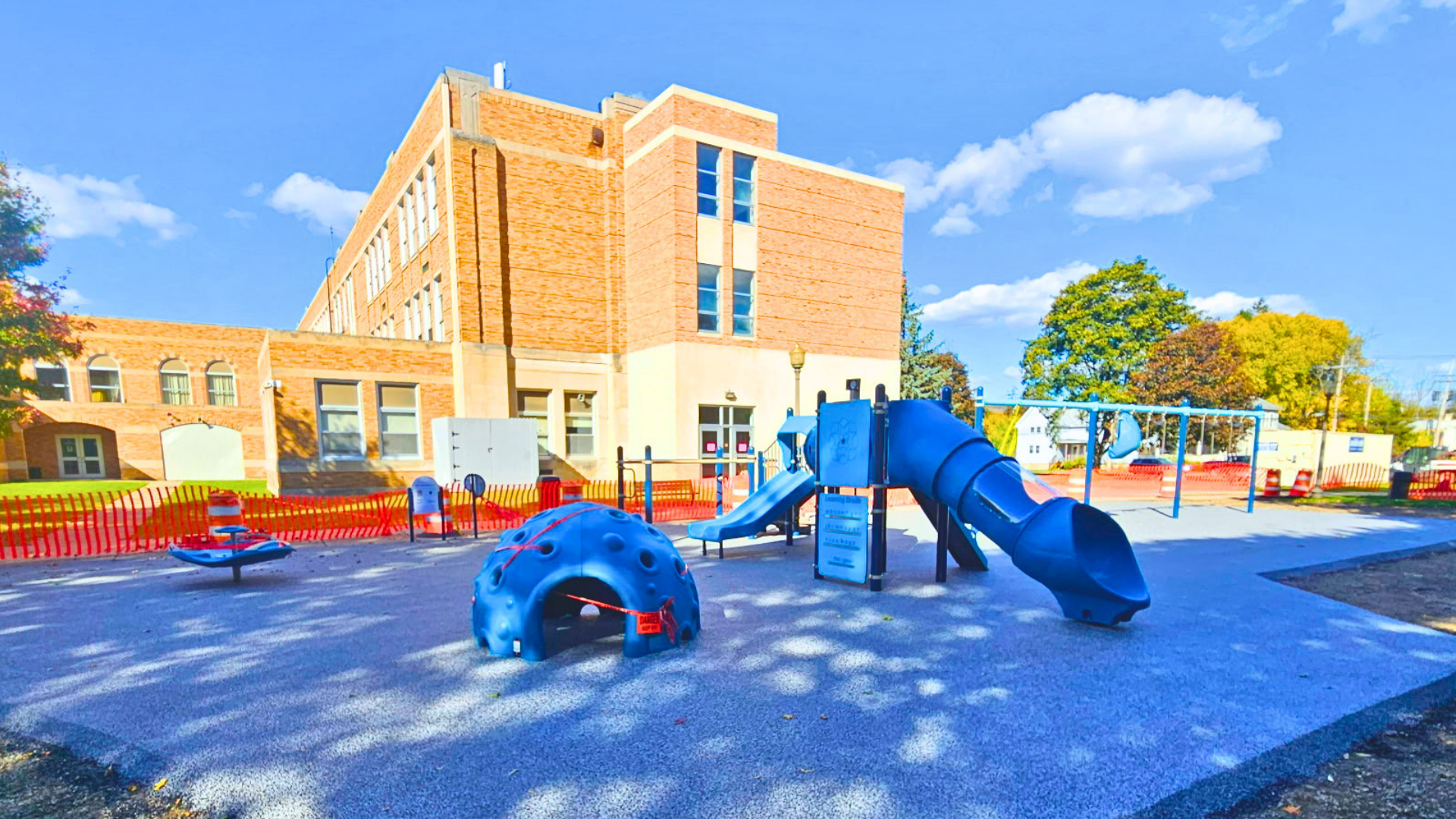
One of the most impactful partnerships we’ve had to date between a national organization and the rural communities we serve is with KABOOM! through our Built to Play initiative within our Youth Sports & Recreation grant portfolio.
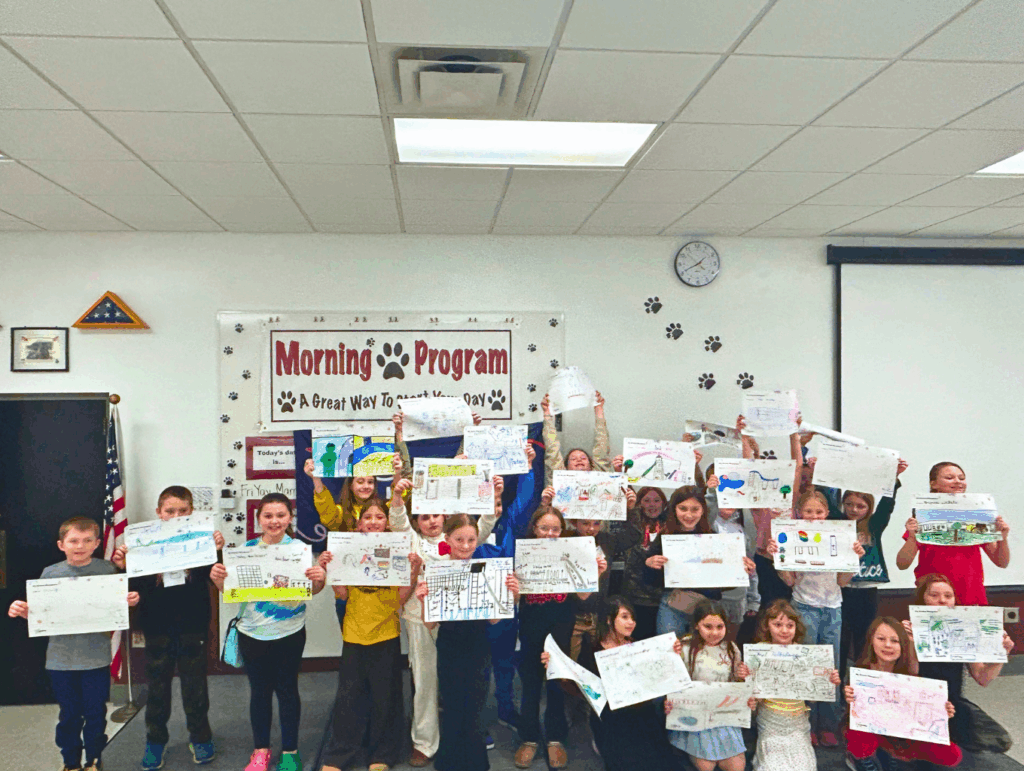
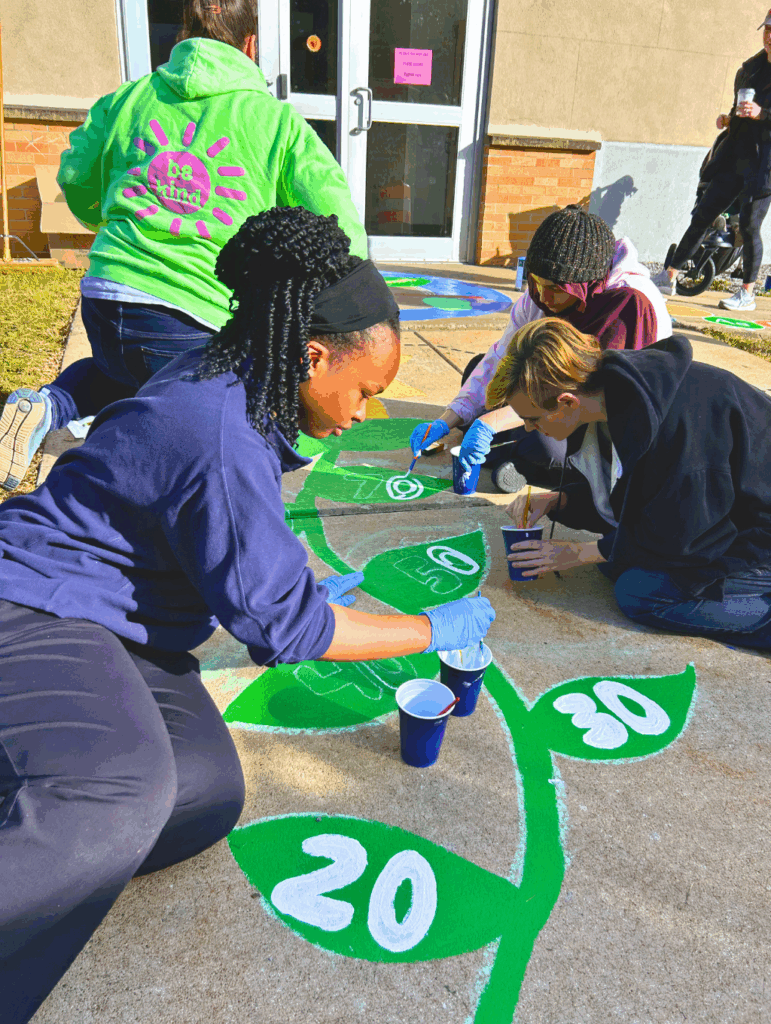
KABOOM! is a national nonprofit working to ensure that every child has access to quality, safe places to play. Engagement with the local community is at the heart of their process, with residents and kids involved throughout the design, construction and maintenance phases to ensure greater success for the final play space. Together, with KABOOM! and The Skatepark Project, the Foundation has invested in the creation of more than 90 unique play spaces and skateparks across both of our regions.
As Built to Play winds down, we’ve partnered with KABOOM! to utilize the remaining initiative funds on eight playground builds in our rural communities. Along the way, they have offered unique and valuable perspectives with us from this work. After partnering last October 2025 on a playground build in Cuba, NY – population of 3,110 – Carrie Leovy, a Senior Strategist with KABOOM! shared with us,
While we have been doing this work for many years across the country, this Wilson effort gives us a special opportunity to help rural communities. It’s making our organization better. We have been reflecting on what works well with rural community partnerships:
- First and foremost, we have learned the importance of working early and regularly with our on-the-ground community partners.
- Second, local community foundations are great partners to have on these projects and have helped us to navigate the relationships important for the success of these projects. For example, thanks to the Allegany County Area Foundation, both our Design Day and Our Build Week for our project in Cuba, NY had the hopeful, high-gear collaborative energy of a community barn raising. This same community teamwork characterized the three months of grassroots planning for this project.
Additionally, community leaders were able to leverage the Wilson Foundation’s support with as many local matching commitments as they could secure so that they could create a playground with the greatest possible scale and play value for their kids over the next generation.
Focus on Leadership
The challenges rural communities face requires a collective, long-term approach beyond any one organization. But what makes progress possible is the strength of local leadership and the collective nature rural communities already embody. We will continue to invest in rural leaders and transformational projects that build on that foundation.
Reflecting on her experience, Nancy Winzer, retired Port Huron Parks & Recreation Director and partner on several Built to Play projects, said:
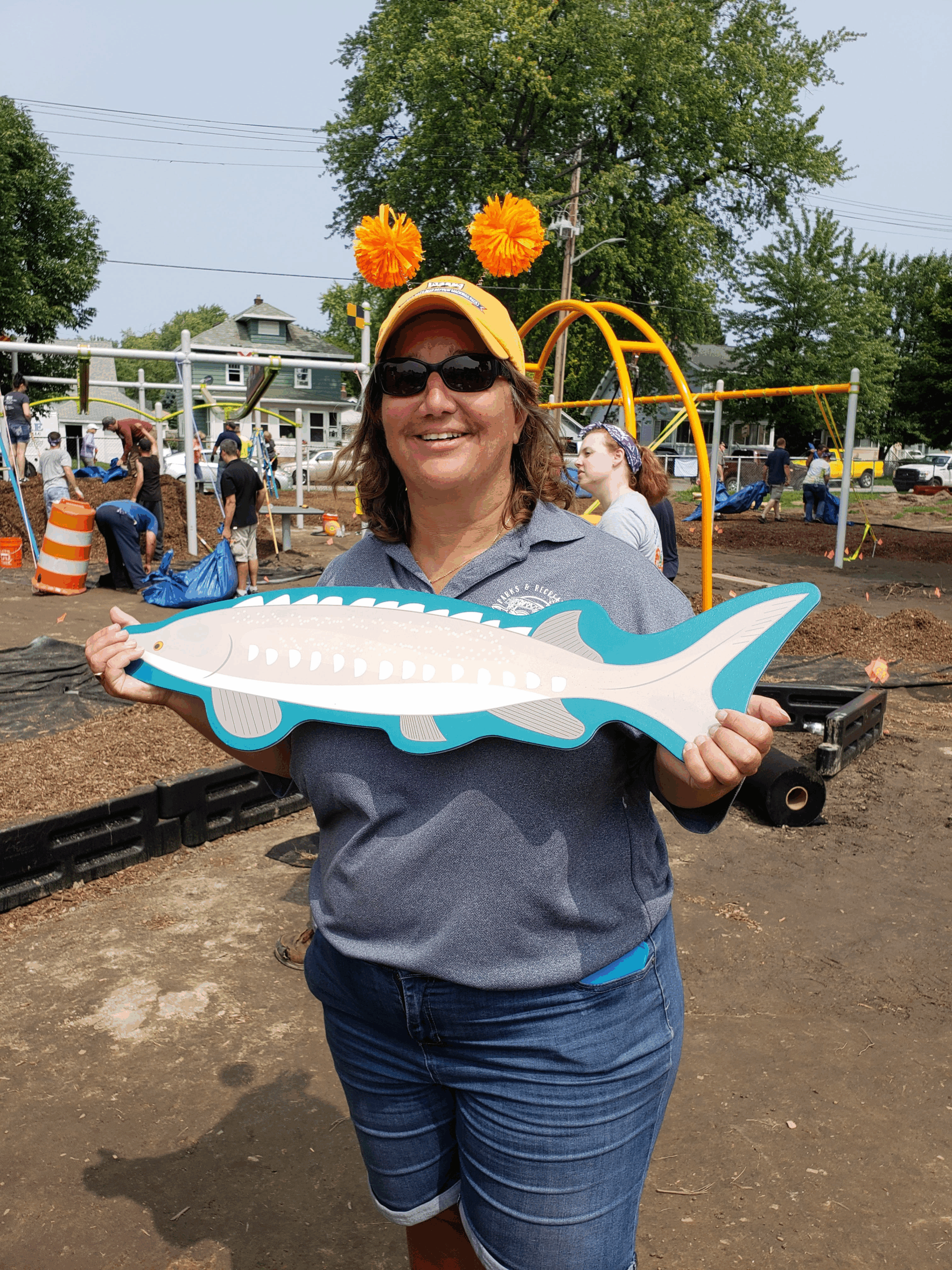
The needs of under-resourced rural communities can be overwhelming. What local leaders need is a jumping off point. A quick win on which to build other successes. A sense of where to start and what issue to tackle first. Now is the time for philanthropy to help make that happen.
Ultimately, the future of this work will not be defined by what we bring in, but by what we help strengthen from within. We look forward to continuing to share more stories, insights, and perspectives from rural in the months ahead.

Katie Brisson serves as Senior Director of Special Initiatives at the Ralph C. Wilson, Jr. Foundation. In this role, she contributes to the strategic insight and leadership to the foundation’s grantmaking initiatives while advancing special projects that strengthen impact across portfolios.
Katie brings more than two decades of experience in philanthropy, having spent 24 years at the Community Foundation for Southeast Michigan, including 11 years as Vice President of Program. During her tenure, she led efforts to shape grantmaking strategy during a period of significant growth and played a key role in launching collaborative initiatives such as the Detroit Journalism Engagement Fund, the Michigan Opioid Partnership, and Project Play: Southeast Michigan.
Detroit PBS and The Caring Community
Tuition-free dual enrollment helps students get ahead on college and career pathways
Tuition-free dual enrollment helps students get ahead on college and career pathways
This opportunity for dual enrollment gives young people a head start in pursuing higher education, as students can take these classes free of charge
By Randiah Camille Green
March 31, 2026
This sponsored story was originally published by Outlier Media

This story was written by Randiah Camille Green and created in partnership with the Ralph C. Wilson, Jr. Foundation. It is part of a year-long series focusing on programs and pathways to good paying jobs and careers in Detroit.
All high schools in Michigan are required to allow their students to take college courses for credit toward a higher degree. This opportunity for dual enrollment gives young people a head start in pursuing higher education, lessening the financial burden on parents, as students can take these classes free of charge. However, only about seven percent of students participate in dual-enrollment programs, across the entire state.
“They can get their degree faster, and it’s cheaper because the student is paying nothing. If you can take 30 credits, that’s half an associate’s degree,” said Ryan Fewins-Bliss, executive director of the Michigan College Access Network (MCAN).

MCAN is working to improve college readiness, participation, and completion, in accordance with Gov. Gretchen Whitmer’s push to increase the percentage of Michigan residents with post-secondary certificates or degrees to 60% by the year 2030. Part of this work includes boosting dual enrollment and working on policy reform to drive more interest in the program.
In 2023, the Ralph C. Wilson, Jr. Foundation and the Ballmer Group dedicated more than $30 million to the Detroit Regional Chamber’s Detroit Drives Degrees Community College Collaborative (D3C3). The D3C3 initiative granted seven Southeast Michigan community colleges funds to increase access and enrollment for high school students.
Henry Ford College (HFC), one of the participating institutions, has roughly 2,800 dual-enrolled high school students, which comprises more than 20% of its total enrollment. HFC also partners with high schools to host college classes onsite, removing transportation as a barrier to access.
“It is a significant savings for families for students to dual enroll. Plus, students who dual enroll are far more likely to start college right after high school and continue towards getting their certificate or associate’s degree,” said HFC Interim President Lori Gonko. “Less than 60% of high school graduates are enrolling in college that next fall after graduation, in Michigan, so we are invested in doing everything we can do to help bridge that gap and get students already in the pipeline.”
In addition to traditional dual enrollment, where high school students are allowed to take up to 10 classes or 30 credits, HFC also offers the Henry Ford Early College model. Students interested in careers in health care, manufacturing, and education can graduate with their high school diploma, associate degree, and certification in an allied health profession, all in five years. The school has roughly 400 students in the early college program.
“We see almost a 100% completion rate for getting the associate’s degree after five years,” Gonko said. “We have students who graduate from that program at 19 years old.”

Detroit students have even more pathways to post-secondary education with the Detroit Promise scholarship. This program covers the cost of tuition at participating community colleges, universities, or trade schools, for any student who has graduated from a high school within the city of Detroit, after financial aid is applied. They also receive $50 a month to use for books, transportation, or other needs, as an incentive for meeting with a campus coach.
Detroit Promise students are assigned the coach that they meet with twice monthly, to help them navigate college life and resources.
“It allows students that safe space to say, ‘This is what I’m struggling with.’ The coach is there to say, ‘I’ve got some resources for you with transportation, tutoring, or whatever they may need,’” Gonko said. “We have a space here that is specifically for Detroit Promise students… for them to study and gather surrounded by their peers. They’re part of a community and there are so many studies out there that show that belonging and community contribute to success.”
HFC has the highest number of Detroit Promise students of Southeast Michigan’s community colleges, with roughly 300 students participating currently.
Oakland Community College (OCC) also participates in the Detroit Promise program, with 121 students enrolled. The college is educating students in similar programs for Hazel Park and Pontiac students as well.
OCC’s Interim Provost Jolene Chapman said the college has doubled its dual-enrollment population, from 800 students to 1,600 in the past few years.
“We have people in place and a strong office that values those relationships with our high schools, and [that] works really hard with the high schools to try to ensure that dual-enrollment students and their parents are served, that it’s a smooth process, and that students are successful,” Chapman said.
The college has several people in place to give dual-enrolled students the best chance for success on campus, including a dual-enrollment navigator and success coach.
The dual-enrollment navigator goes to high schools and offers information sessions to counselors, students, and parents to ensure they are aware of the opportunities available at OCC, while the success coach helps students acclimate to college life.

Beyond dual enrollment, OCC also offers an early college program similar to HFC’s. It is promoted as “a multi-year program combining high school graduation with an OCC associate degree in grade 13.”
“If you want to get a job coming out of that, you can do that. If you want to go to a four-year school and transfer the credits, you can do that,” Joseph Petrosky, vice chancellor for economic and workforce development at OCC, explained about the program.
While dual enrollment is technically available to all Michigan high school students under the Postsecondary Enrollment Options Act, and the Career and Technical Preparation Act, MCAN is working to address requirements that may deter some students from taking advantage of the opportunity. This includes proposing policy changes, like removing the 10 class cap, as well as a policy that means families can be charged for courses if students fail them. Fewins-Bliss says MCAN also wants to get rid of the SAT and ACT requirements.
“Current law relies on SAT and ACT scores for eligibility, and we know those things don’t necessarily connect. Even if they’re not excelling in SAT and ACT, they still could excel in college,” he said. “For students who don’t think they’re college material, when they take a dual-enrollment course and pass, they learn that they are ready; they can do it. It has a morale change for the student and family.”
Ultimately, for families that are unsure about dual enrollment, Fewins-Bliss advises that it provides an opportunity for their children to explore college and career paths before committing fully, and that it also saves money in the long run.
Families interested in dual enrollment are encouraged to speak with their student’s high school counselor or principal or to reach out to a nearby community college to explore their options.
To learn more about programs and pathways to good paying jobs and careers in Detroit, Highland Park, and Hamtramck, visit: https://outliermedia.org/tag/pathways-to-good-paying-jobs/
This New Greenway Aims to Make an Entire Major Midwest City Walkable
As New York Nears an Early Care Milestone, This Funder Collaborative Is Advancing the Cause
ESD Provides Update on Next Steps for Revitalization of the Broadway Market
Rural Insights for Philanthropy

Rural Insights for Philanthropy
Rural communities are rich with leadership, resilience, and innovation, though these stories are not always amplified in philanthropic spaces.
In this new blog series, our Senior Director of Special Initiatives Katie Brisson will share her insights and stories from the Foundation’s work across the many rural communities that make up our two geographies and reflect on the lessons they hold for the broader philanthropic field. Each post will feature insights shaped by local leaders and grounded in their lived experience.

By: Katie Brisson, Senior Director of Special Initiatives
March 10, 2026
“You get used to being overlooked. It’s nice to know you (RCWJRF) are paying attention to rural.”
– Bruce Campbell, Executive Director, Allegany County Area Foundation
Rural leadership is essential to the future of our regions, and philanthropy must evolve to support it. As the Ralph C. Wilson, Jr. Foundation passes its halfway mark as a 20-year limited life foundation, our team is not only celebrating the work to date but also thinking about areas where we can do more. Our rural communities are one of those focal points. With a mission to serve 16 counties across the two regions of Southeast Michigan and Western New York, it requires lots of listening and understanding. Important perspectives from our rural communities and smaller cities can easily be missed. Sometimes, wrong assumptions are made.
Some quick facts compiled by our colleagues at the Center for Rural Innovation:
- Nearly 15% of the U.S. population lives in rural areas
- More than 10 million rural Americans are people of color
- Geographic income inequality has risen more than 40% between 1980 and 2021
- Close to 80% of counties with long-term, persistent poverty are rural
- Just 3% of philanthropic funding goes to rural areas
- Less than 2% of venture capital is invested in rural business
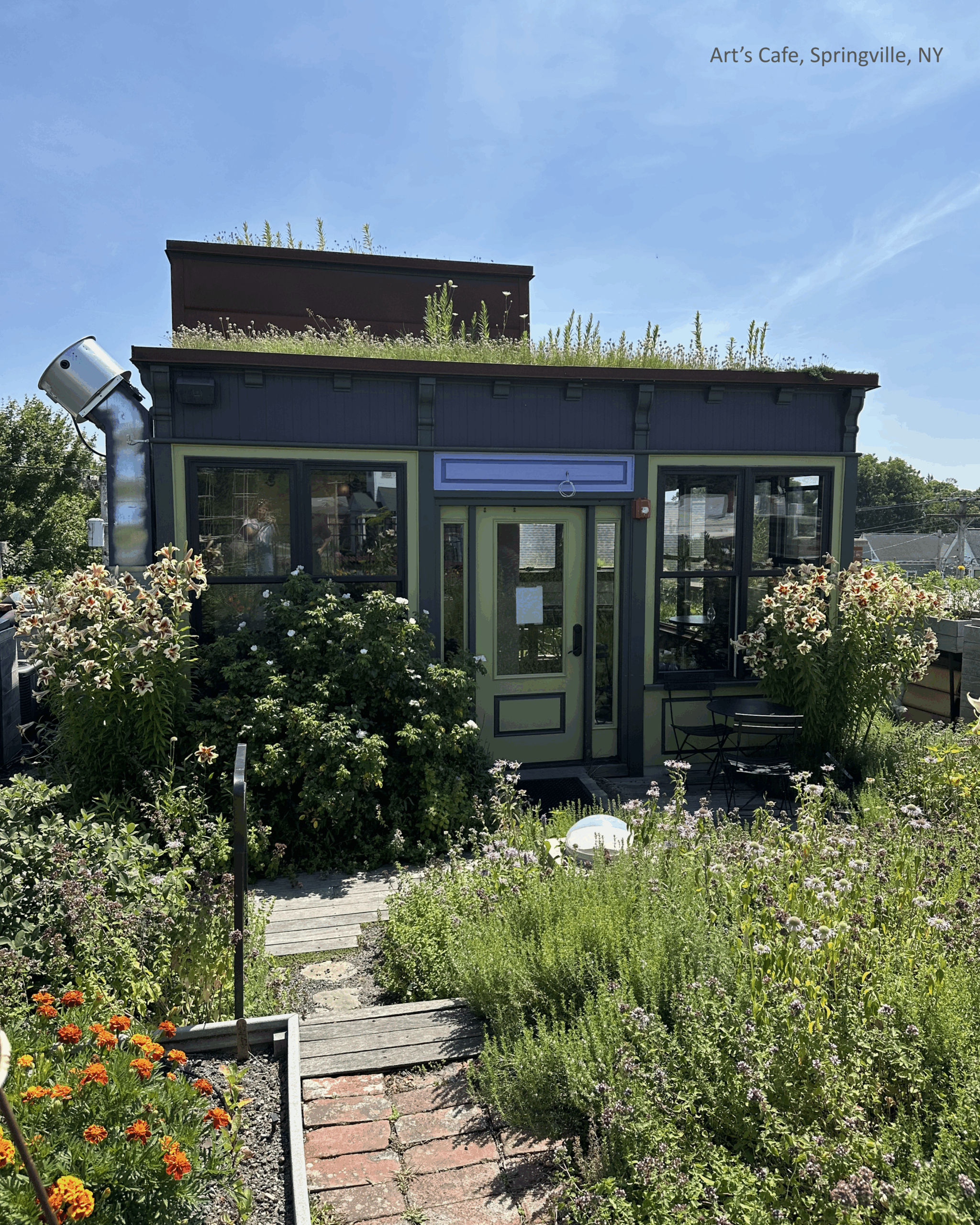
I am kicking off this blog series to lift some of our rural leaders and the highly innovative approaches to problem solving we have seen them employ. Many of the issues faced by our rural partners are the same as our urban and suburban partners. But the way in which they manifest, and the approach to solving them, are different.
So too, as a philanthropic organization, we need to challenge ourselves to work differently to meet the needs of rural communities. The way in which grants are made is different. Rural civic activity doesn’t always happen in traditional nonprofit organizations – it can happen in farmers markets, fire houses, Lions Clubs, libraries, and county fairgrounds. As a grantmaker, you need to expect – and embrace – the unexpected.
Focus on Leadership
We know to do better, we need to be intentional in providing capacity support to our key local partners and support the pipeline of future leaders. To that end, we were pleased this month to announce the launch of the Ralph C. Wilson, Jr. Foundation’s Rural Philanthropy Fellows Program.
Through the Foundation’s support, 12 rural fellows have been hired by our community foundation partners across two regions of Southeast Michigan and Western New York. This model also inspired another philanthropic partner, the Herrick Foundation, to join by supporting three rural fellows in additional Michigan communities that they serve.
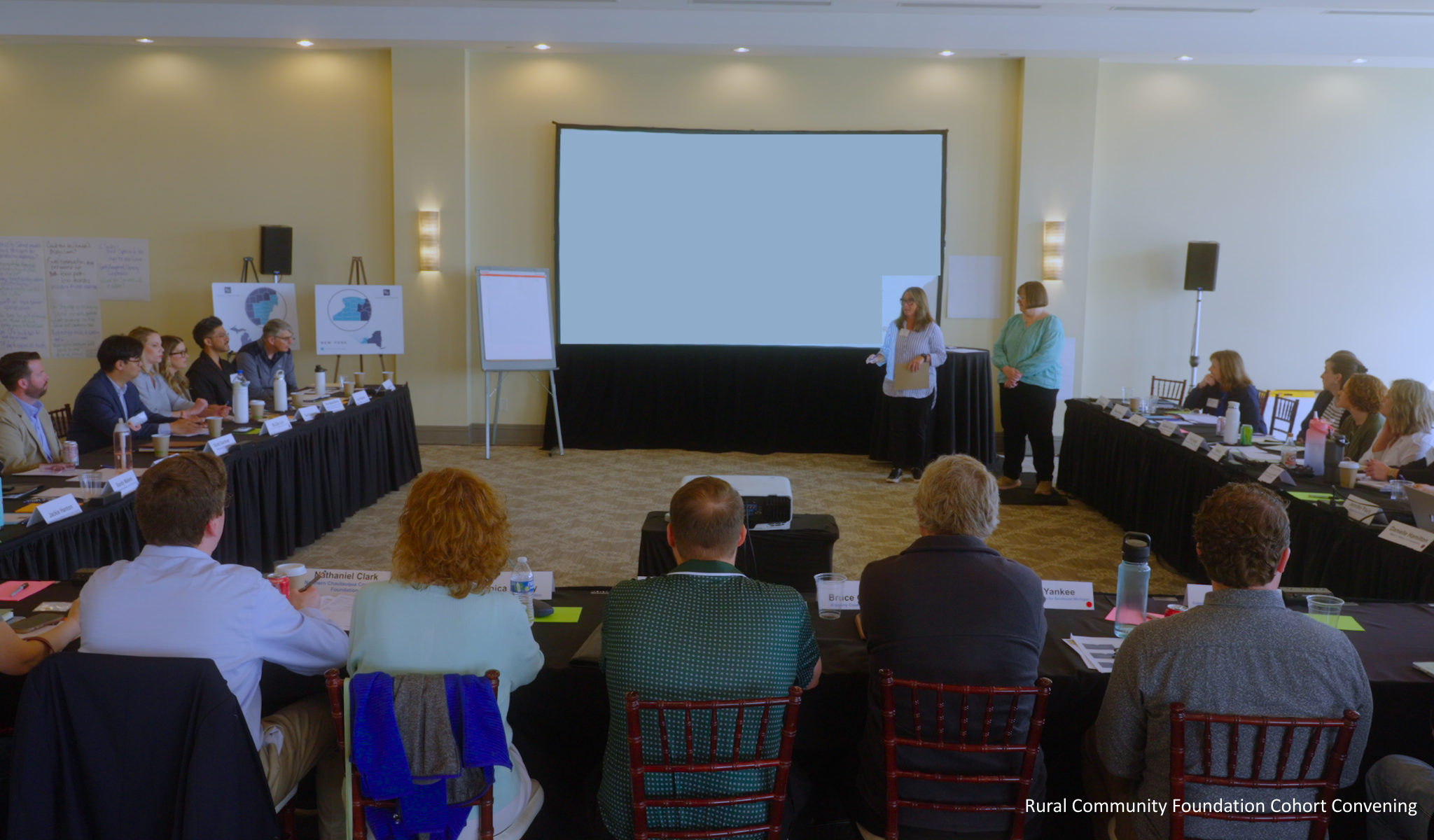
As we continue to build relationships across the regions we serve, it’s a moment for our team and board here at the Ralph C. Wilson, Jr. Foundation to celebrate these leaders and their work!
We look forward to sharing our stories from many other rural partners in the months ahead.
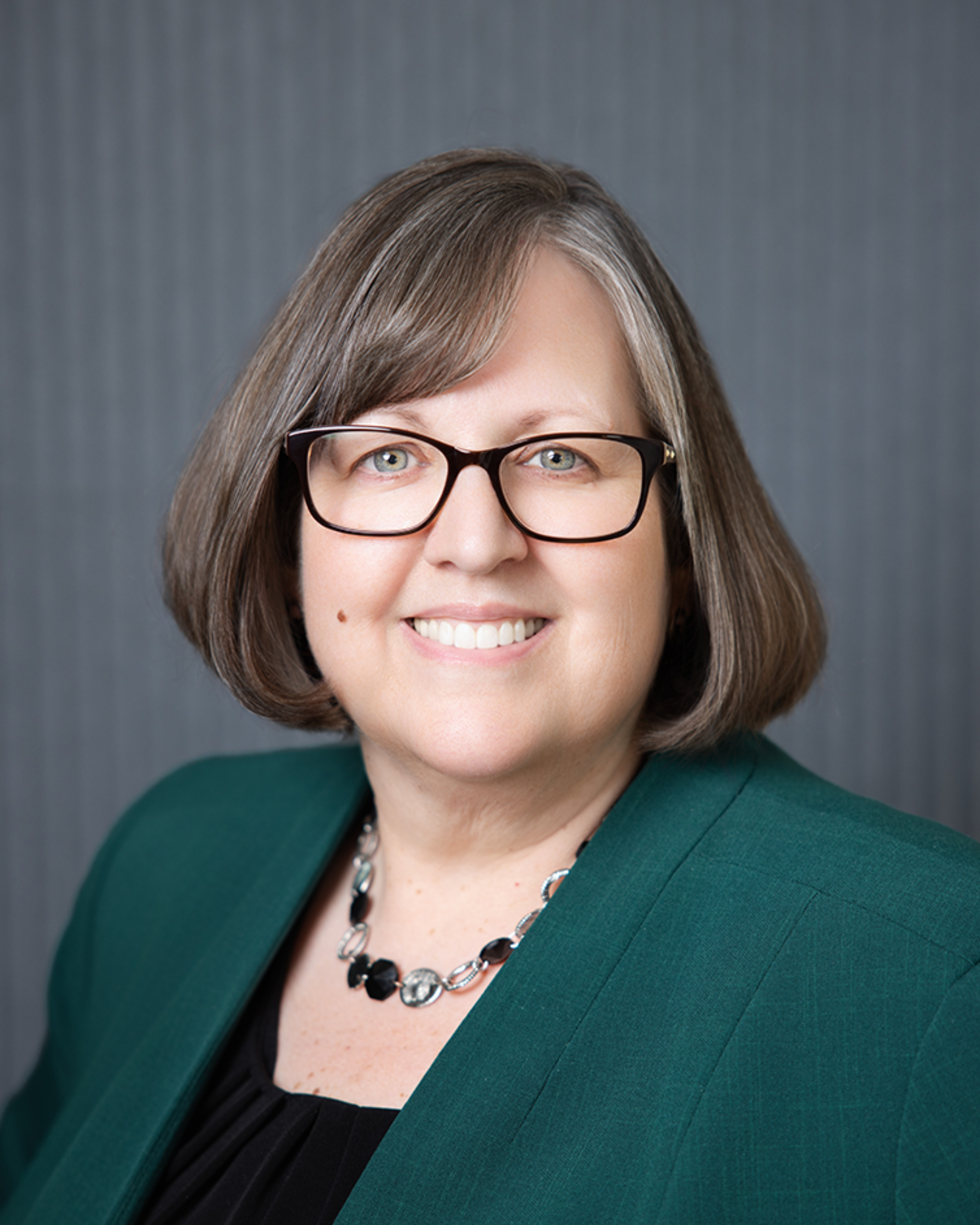
Katie Brisson serves as Senior Director of Special Initiatives at the Ralph C. Wilson, Jr. Foundation. In this role, she contributes to the strategic insight and leadership to the foundation’s grantmaking initiatives while advancing special projects that strengthen impact across portfolios.
Katie brings more than two decades of experience in philanthropy, having spent 24 years at the Community Foundation for Southeast Michigan, including 11 years as Vice President of Program. During her tenure, she led efforts to shape grantmaking strategy during a period of significant growth and played a key role in launching collaborative initiatives such as the Detroit Journalism Engagement Fund, the Michigan Opioid Partnership, and Project Play: Southeast Michigan.